




Selecting the right technology for your website is a crucial aspect of web application development. The choice you make will affect how quickly your site loads, its future growth potential, and its ongoing maintenance ease. Before picking anything, take time to look at all website development technologies and see which ones fit your project and business needs. There are many choices and new trends appear all the time, which can make picking a web development technology stressful. You must check if the tools you pick will make frontend web development easy and ensure the backend can handle your data well. Choosing web development technology needs planning, not just following what is currently popular. If you work with a web app development company or have your own team, you get better advice for your situation. The right web developer technologies will help your site work fast, use resources smartly, and handle more users when needed. A bad technology stack choice might bring technical problems and bigger bills later. In this article, you get step-by-step tips to pick the ideal stack for full-stack website development.
What Is a Technology Stack?
A technology stack means the set of tools, frameworks, and languages needed to make a web application. The stack usually mixes frontend and backend parts, along with middleware and databases for storage or processing. When you want to build a website from start to finish, the whole stack helps the user interface and server code work together. For example, frontend web development can use frameworks like React, but backend logic might run on Express or Django. Middleware acts as a go-between, facilitating smooth communication between the frontend and backend.
Every part of the stack has its own role and impacts how the web app functions as a whole. A well-tuned stack for web app development services gives fast page loading, safe data transfer, and steady site performance. Whenever you search for website development technologies, make sure they fit your project needs, the expected number of users, and how easy it is to look after everything. The best web development technology joins what users expect with technology's true power. A full stack is the foundation your site needs to grow and work properly.
Technology Stack Composition
When any web app development company starts a project, building the right technology stack is a top priority. What builds a stack? Usually, you find frontend, backend, database, and maybe some middleware technologies too. Each piece fits a certain role to support both how well your web app works and what it can do. Tools for frontend web development, such as Vue.js or Angular, let you build the screens people see and control site interactions. On the other side, backend choices like Node.js or Laravel handle server tasks, process APIs, and manage stored information.
Databases, whether PostgreSQL or MongoDB, let your site save and work with dynamic data. Middleware works in the middle, passing messages between the site's frontend and backend. When you combine web developer technologies wisely, each layer works smoothly, nd future updates are easier. Web application development companies with more skills know what to pick to keep technical challenges low and make maintenance simple. Modern web technology tools may also bring in containerization or CI/CD pipelines for faster, safer deployments. When you fit the stack together well, you get a site that stands strong and updates with ease.
Common Mistakes to Avoid in Technology Stack Selection
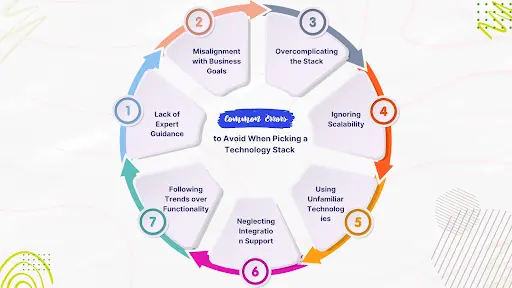
Many web application development projects struggle because the chosen technology was not right for the use case. One mistake is picking a web development technology that does not fit the business goals or the developer's skills. Sometimes, developer teams use too many web technology tools, and the stack becomes harder to support in the long run. Picking tools only for small websites is risky, as those may not handle heavy traffic if the site gets bigger. New or strange tech stacks make it tougher for the team to learn, slowing down the project.
Getting advice from an expert web app development company or a good consultant can help you spot these errors in time. Forgetting to think about the site’s future growth leads to technology that becomes a roadblock later. If technologies are hard to link with other platforms, you might need the best web development technology to do extra work. Picking tools just for their trendiness, without checking if they really fit, wastes time and money. Only when you look carefully at what you really need can you build a stack that works.
Misalignment with Business Goals
Selecting any web development technology that doesn't match what your business aims for leads to wasted money and weak results. The tools you use must allow the company to grow, satisfy users, and fit daily operations. If you skip this step, you often get apps that don't work well or can't be used.
Overcomplicating the Stack
When you put in too many web technology tools, looking after the site gets harder, and updates go slowly. Large or complex stacks make it easier for bugs and security issues to occur. Simple stacks are easier to fix and manage, making life less stressful.
Ignoring Scalability
If chosen technologies are only for now, you may be in big trouble when your site or client numbers expand. A stack that cannot handle growth means big changes, often at high costs. For strong web app development, always think ahead to bigger site needs.
Using Unfamiliar Technologies
Development teams working with new technology need more time to learn, so the project slows down. Launch dates get pushed further, and expenses go up. Always pick a stack your team knows well, or make sure there’s good training.
Neglecting Integration Support
Ignoring whether your chosen technology plays well with others can double your work and create messy workflows. The right stack needs to keep all your systems connected and let communication flow smoothly. If not, both user experience and team productivity drop.
Following Trends over Functionality
Choosing the popular new tech tools just for their buzz, without seeing if they actually help, gives unstable results. True functionality and reliability must always come first. The best success comes from a stack built on real project needs rather than trends.
Lack of Expert Guidance
If you don’t ask a skilled web app development company or expert consultant, it’s easy to repeat mistakes others made before. Professional advice matches technology with your project and industry standards. With their help, you create a future-proof and maintainable stack.
What to Consider When Choosing Technology for Web Development?
Many things matter when you pick technologies for web app development services. First, see how complicated your website project is—simple websites don't need the same tools as rich, dynamic web apps. Choose web developer technologies that match your team's skill level, which helps them work qmore quicklyand make fewer mistakes. Make sure strong community support and detailed documentation are available for the tech, so your project stays stable in the future. You also need to weigh costs both for starting out and for when your website audience grows.
Look at how well the stack works with extra services and third-party tools, and check this at the start. Good stack performance is vital since it affects every user's experience, especially for frontend web development. Any web development technology you select must meet today’s security rules. You might want to talk to a respected web application development company —their advice can be shaped just for your needs. The best technology choice leads to faster, simpler, and more scalable web projects.
How to Makethe Right Tech Decisions for Your Website?

Start by setting the main functions and user goals for your site before anything else. Each decision about web application development must link back to what your website needs to deliver. You should soon check things like site loading speed, easy maintenance, and how well everything fits with the tools you already use. Work with a skilled web app development company or solid internal team early on to keep your technology in line with your bigger plans. Relying on their experience can make sure every stack piece is chosen for a real reason.
It’s smart to try several web technology tools in test environments before deciding for good. When you look at different web developer technologies side by side, you save time and avoid big, expensive mistakes. Check upfront how many people you expect on your site and how much data you need to handle when judging your stack. In full-stack website development, every part, from frontend to backend, should connect without trouble. Clear business direction and solid technical planning together lead to long-term website success.
Define Functional and User Goals
Setting what your website must do comes first when picking technology. Your goals—maybe fast speed, greater engagement, or special site features—guide every technical choice. If you have clear targets, development stays on track, and the site doesn’t get more complex than needed.
Prioritise Speed and Maintainability
Pick technologies that provide quick page loads and are easy to manage for future changes. Stacks that fit your team’s experience make updates smoother and faster. Making sure your website runs well supports keeping visitors happy and keeps your search rankings up.
Ensure Compatibility with Existing Tools
Check early if your chosen stack blends with your other systems, like CRM or analytics. Good integration stops problems with data getting stuck or expensive fixes later. Thinking forward about these links saves time and effort down the road.
Collaborate with Experts
Involving a reliable web app development company or expert team gives you guidance that matches your goals. These professionals spot the best practical technology and steer you away from mistakes. Planning together from the start leads to clearer work and better results.
Test Technologies before Committing
Try out web technology tools in your development process before picking the final one. This kind of hands-on testing lets you spot issues and see what fits. By checking early, you make choices based on real data, not just theory.
Consider Traffic and Data Needs
Look at how many users you expect and the amount of information your website will process while selecting your stack. Your technology should be able to handle bigger loads without losing speed. Preparing for extra visitors means your site will stay available and fast.
Focus on Integration for Full Stack Development
If you plan full-stack work, make sure your frontend and backend connect easily. A good match between layers cuts down errors and makes launching faster. The best-balanced stack supports smooth work, and fixes are easier if something breaks.
Align Technology with Business Vision
For real success in the future, link your technical choices with your company’s main goals. Let technology help your business change and grow smartly. Being sure of this match means your site improves steadily, without waste.
Evaluate Security Requirements
Security must be a top reason for picking any web technology, more so if your website handles private data. Select frameworks and tools known for keeping data safe and providing regular security updates. Focusing on security now helps you steer clear of problems and builds user trust.
Factor in Budget Constraints
Let your budget guide you, but don’t cut out important features or lower standards. Sometimes, picking open-source or widely used technologies brings good value for your money. Balancing your costs with the need for quality and growth gives your website the best chance to last.
Frontend to Backend: A Smart Guide to Website Technology Choices
Making a website means picking technology that works well from the frontend all the way to the backend. In web application development, the frontend is all the things users see and touch, using basics like HTML, CSS, and JavaScript frameworks. The backend takes care of what happens in the background, such as logic, saving data, and handling requests with tools like Python, Node.js, or PHP. When both frontend and backend link up smoothly, your website is stable even when real users test its limits. A professional web app development company can match these parts for top performance.
If you focus on frontend web development or backend APIs, you need both speed and consistency for the best result. Middleware and different web technology tools help manage tasks like signing in, storing temporary data, or adding third-party features. When you use the same style of web developer technologies across both ends, you avoid headaches caused by mismatched parts. The popularity of full-stack website development shows how much a balanced stack matters. Wise technology choices bring more flexibility, easier scaling, and quicker fixes when something goes wrong.
Frontend Technologies
The frontend is what users see and use, made with tools like HTML, CSS, and JavaScript frameworks such as React or Angular. Every detail about design, structure, and things users click is handled in this part to keep visitors interested. Picking solid frontend technology leads to fast pages that load quickly and work great on any device.
Backend Technologies
Your backend deals with server jobs like processing data, running the business rules, and working with databases, using languages such as Python, Node.js, or PHP. This part is what connects users to your server, making communication and storage possible. Good backend technologies are key to smooth site actions and keeping data safe.
Integration and Middleware
Middleware fits in between the frontend and the backend, taking care of special jobs like user login, data storage, and linking outside services through APIs. Picking the right middleware boosts safety, improves how fast tasks finish, and helps developers build faster. With this bridge, your different technologies work as a team and stay out of conflict.
Consistency across the Stack
Using matching web developer technologies on both frontend and backend makes fewer problems and simplifies fixing bugs. Uniform tools cut down the time it takes to create and launch updates. This also means your website is easier to maintain as software evolves.
Importance of Full Stack Development
Full-stack website development is now more important because it blends frontend and backend skills in one developer or team. Being able to handle both sides encourages teamwork and a better understanding of the whole system. With this approach, your website is flexible, runs better, and is simpler to improve or repair.
Performance and Scalability
Choosing smart technologies lets your website handle growth without giving up on speed or quality. When your frontend and backend work together without bumps, your site stays fast and can handle more visitors. This way, you always meet user needs—no matter how big your site becomes.
Conclusion
Picking the best technology stack is one of the most crucial parts of good web application development. You have to study your options, plan for your actual project, and consider the future carefully. Even though there are so many web development technology choices, following a step-by-step approach makes the task easier. Asking for help from a web application development company or your own tech team means your site gets the right fit. With the right web developer technologies, it’s easier to grow, fix, and improve your website over time.
If you select your web technology tools wisely, your website will adjust to your changing business needs. Putting needed features first and not just chasing trends means you avoid wasting time on big rebuilds. No matter if your site is for a small business or a larger platform, the stack must suit the job. Each piece—from the frontend’s visual part to the backend’s “logic” side—matters for the user’s happiness. The choices made now set you up for easier updates, better growth, and strong user experiences later.