


Study in France for Indian Students Your Path to Global Success
WTS is a trusted Study in France consultancy in India, providing end-to-end support for admissions, scholarships, and visas.
Top-Ranked Universities
Study at globally recognized France universities.
Scholarships & Financial Support
Access scholarships and financial aid for your studies.
towards your global future!
Get FREE Counselling Today!
 Your Future Starts in the France
Why Study in France?
France is one of the most popular destinations for international education due to its high-quality academic system, globally respected degrees, and strong industry exposure. Home to leading multinational companies and research institutions, France provides excellent opportunities for students planning to study in France from India. The country offers a safe, culturally rich, and student-friendly environment, making it ideal for study in France for Indian students.
World-Class Education
Learn from top-ranked universities and industry-leading faculty.
Global Exposure
Experience diverse cultures, expand your network, and broaden your perspective.
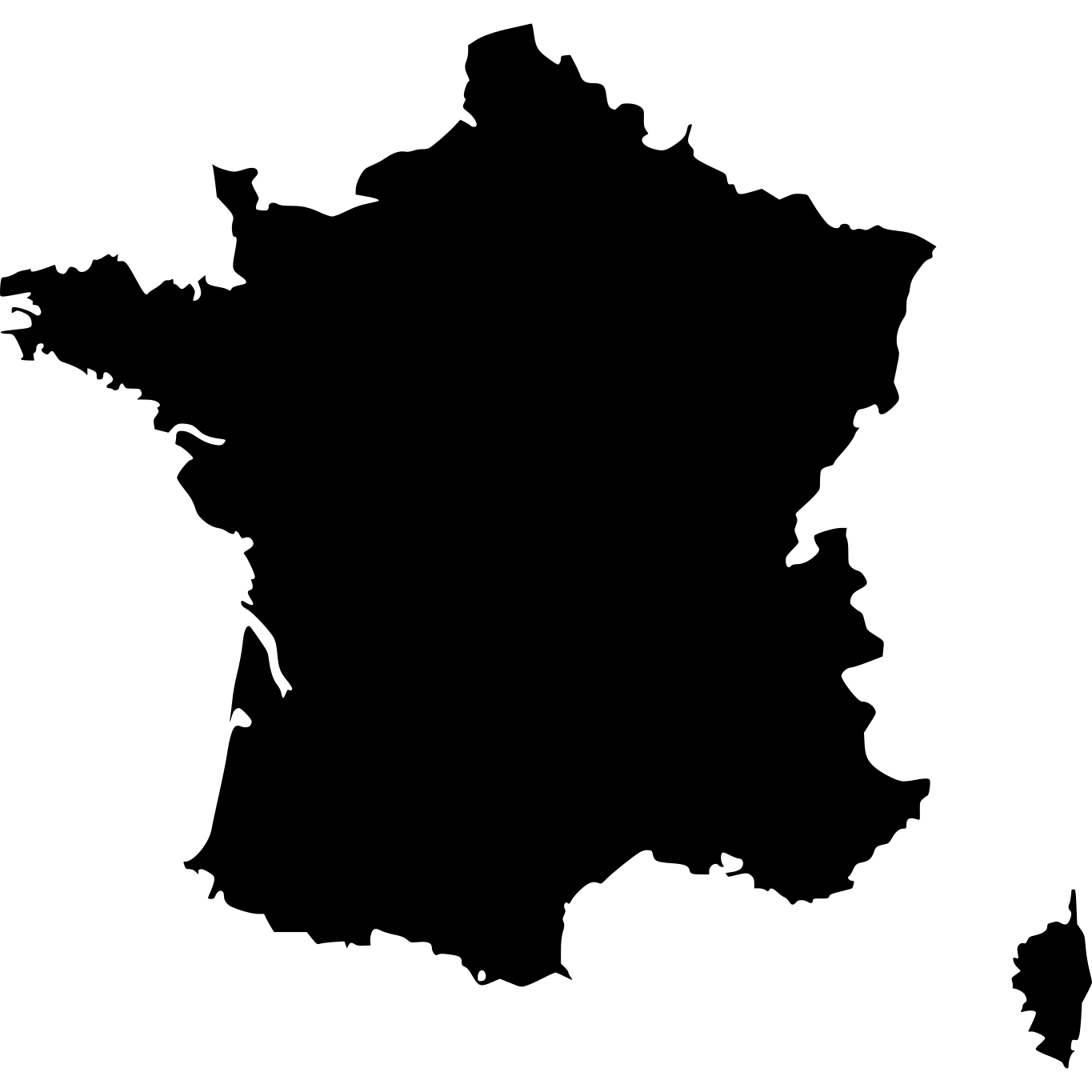
 TOP UNIVERSITIES IN FRANCE
Learn from the Best. Lead the Future.
France is home to some of the world's most prestigious universities, known for academic excellence, innovation, and global opportunities.

Universities

Ecole Polytechnique
Universities

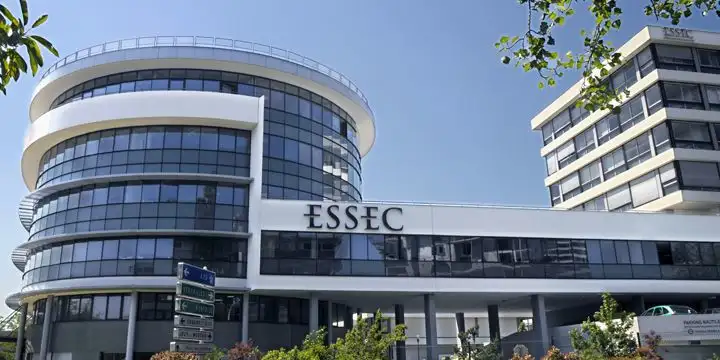
Essec Business School

Universities

Grenoble Alpes University
Universities

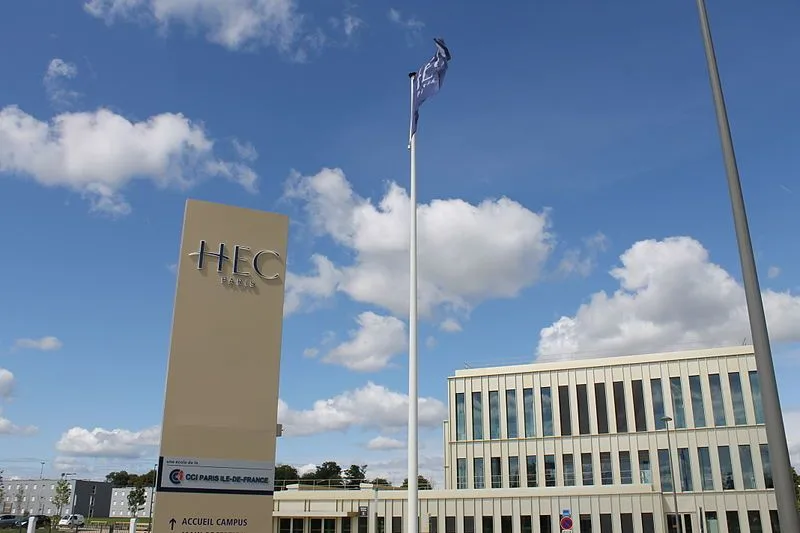
Hec Paris

Universities

Sciences Po University

Universities

Sorbonne University

Universities

University Paris Saclay
Popular Courses to Study in France
France offers a wide range of high-demand programs that attract students from across the globe. Universities are known for academic rigor and strong employment outcomes.





Intakes in the FRANCE
FRANCE universities offer two primary intakes. Choose the one that best fits your academic goals and plans.


Pay Less With Scholarships in FRANCE
Numerous scholarships in France are available to help international students get admission to cost-effective courses.
Check Eligibility

Popular Cities in FRANCE
Explore vibrant cities known for top universities, diverse culture, and excellent career opportunities.

Lille
24+ Universities | 3051+ Courses
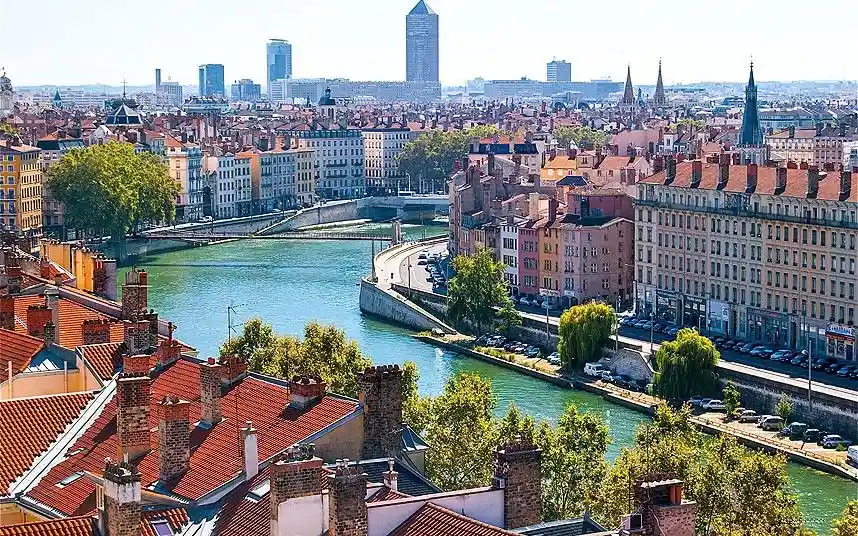
Lyon
18+ Universities | 2262+ Courses

Paris
42+ Universities | 3000+ Courses

Toulouse
34+ Universities | 2573+ Courses
Why Study in France for Indian Students?
France offers Indian students a strong mix of quality education, practical learning, research opportunities and international exposure. With universities, Grandes Écoles, business schools, engineering institutions and specialised colleges, students can choose programmes that match their academic background and career goals.
The availability of English taught programmes also makes France more accessible to international students, while learning French can support daily life, networking, internships and future employment opportunities.
France also has strong academic and economic links with India, making it an attractive option for students who want global experience while building career opportunities in Europe or back in India. For many students, study in France for Indian students offers a valuable combination of academic quality, cultural exposure and career-focused learning.
Understanding the French Credit System (ECTS)
France follows the European Credit Transfer and Accumulation System (ECTS), a standard credit system used across European higher education. It helps universities understand and compare a student's academic workload and makes it easier to transfer credits between participating institutions. For Indian students planning to study in France, understanding ECTS can also make the French degree structure much easier to follow.
Licence–Master–Doctorat (LMD) Degree Structure
French higher education follows the Licence–Master–Doctorat (LMD) system. It is broadly comparable to the Bachelor's, Master's and Doctoral levels of higher education.
|
French Degree |
Comparable Study Level |
Typical Duration |
ECTS Credits |
|
Licence |
Bachelor's level |
3 years |
180 ECTS |
|
Master |
Master's level |
2 additional years |
120 additional ECTS |
|
Doctorat |
Doctoral/PhD level |
Usually around 3 years after a Master's |
ECTS use varies at doctoral level |
A Licence normally requires six semesters and 180 ECTS credits. A French Master's generally adds another four semesters and 120 ECTS credits, taking the total to 300 ECTS from the beginning of higher education. Doctoral studies normally follow a Master's degree.
How Do ECTS Credits Work in France?
A full academic year generally represents 60 ECTS credits, while one semester usually represents 30 ECTS credits.
ECTS credits are based on the overall workload needed to complete a course successfully. This can include:
- Lectures and seminars
- Practical classes
- Assignments and projects
- Internships or work placements
- Independent study
- Exam preparation and assessments
As a general European guideline, 1 ECTS credit represents approximately 25–30 hours of student workload.
Because ECTS is widely used across the European Higher Education Area, it can make it easier for students to understand and document study completed during an exchange programme or when moving between participating higher education institutions.
French Grading System
French universities commonly use a 0–20 grading scale with 10/20 generally considered a passing average for validating a semester or course requirements, although assessment rules can vary between institutions and programmes.
Indian students should therefore avoid directly converting a French grade into an Indian percentage. The two education systems use different grading and assessment methods and universities or credential-evaluation authorities may apply their own criteria when comparing qualifications.
Exams Required to Study in France
The exams required to study in France depend on your university, programme and language of instruction. Indian students may need an English or French language test, while some business programmes may require GMAT or GRE.
For English-taught programmes, universities may accept:
|
Test |
Commonly Accepted For |
|
IELTS Academic |
Bachelor's, Master's & MBA |
|
TOEFL iBT |
Bachelor's, Master's & MBA |
|
PTE Academic |
Selected universities |
|
Duolingo English Test |
Selected institutions |
There is no single minimum score for all French universities, so check the requirements of your chosen programme before applying.
For French taught programmes, students may need to prove their French proficiency through tests such as DELF, DALF or TCF. The required level varies by course and institution, with B2 commonly requested for many French-taught programmes.
Some MBA, MiM, finance and other business programmes in France may require or accept GMAT or GRE scores. However, these tests are not compulsory for every business school or Master's programme.
Step-by-Step Application Process Application Process To Study in France
Indian students planning to study in France generally complete the Études en France (EEF) procedure through Campus France as part of the admission and pre-visa process. The exact application route may vary depending on the university and programme.
- Shortlist universities and courses based on your academic profile, budget and career goals.
- Check the application route and admission requirements for your selected programme.
- Submit your university application with the required academic and supporting documents.
- Complete the Études en France procedure through Campus France, where applicable.
- Attend the Campus France interview if required as part of your application process.
- Receive and accept your admission offer from the French institution.
- Apply for your France student visa through the official France-Visas process.
Documents Required to Study in France
Commonly required documents include:
- Valid passport
- Class 10 and 12 certificates and marksheets
- Bachelor's degree and transcripts for Master's applicants
- English or French language test results, if required
- SOP or motivation letter and CV
- Letters of Recommendation, if requested
- GMAT/GRE scores for programmes that require them
- Work experience documents, where applicable
- Admission or offer letter from the French institution
Document and application requirements vary by university and programme. Always check the latest requirements of your chosen institution and Campus France before applying.
Cost of Studying & Living in France
The cost of studying in France for Indian students depends on the university, programme and city. Public universities are generally more affordable, while private universities and business schools can have significantly higher tuition fees.
Tuition Fees in France
|
Institution / Programme |
Approx. Annual Tuition Fee |
|
Public University – Bachelor's |
Around €2,900 |
|
Public University – Master's |
Around €3,900 |
|
Public University – Doctorate |
Around €400 |
|
Private Universities & Business Schools |
€6,000–€30,000+ |
Tuition fees can vary by institution, programme and fee exemption policy. Students may also need to pay the annual CVEC (Contribution de Vie Étudiante et de Campus) fee, where applicable.
Cost of Living in France for Indian Students
Living expenses depend heavily on the city and type of accommodation.
|
Expense |
Paris |
Other Student Cities |
|
Accommodation |
€700–€1,100 |
€400–€700 |
|
Food & Groceries |
€250–€350 |
€200–€300 |
|
Transport |
€40–€90 |
€25–€50 |
|
Personal Expenses |
€100–€150 |
€80–€150 |
|
Estimated Monthly Cost |
€1,100–€1,700 |
€750–€1,200 |
Paris is generally more expensive than cities such as Lyon, Toulouse, Lille and Nantes. Choosing CROUS student accommodation, shared housing and student transport plans can help reduce your monthly expenses.
Tuition fees and living costs are approximate and can change each academic year. Check your university and official French sources for the latest costs before planning your budget.
Scholarships to Study in France for Indian Students
There are several scholarships to study in France for Indian students, offered by the French government, universities and business schools. Scholarships may cover tuition fees, living expenses or other study-related costs. here are some popular scholarships for indian student.
|
Scholarship |
Suitable For |
Key Benefit |
|
France Excellence Charpak |
Eligible Indian students |
Financial support for studying in France |
|
France Excellence Eiffel |
Selected Master's & doctoral students |
Monthly allowance and other benefits |
|
Charpak Exchange Scholarship |
Exchange students |
Financial and study-related support |
|
University Scholarships |
International students |
Partial or full tuition support |
The France Excellence Charpak Scholarship is specifically designed for Indian students, while the Eiffel Excellence Scholarship is awarded through nominations made by participating French higher education institutions.
Many French universities, Grandes Écoles and business schools offer merit-based scholarships to international students. Eligibility may depend on academic performance, professional experience, programme choice and overall application profile.
Scholarship deadlines and benefits vary, so students should check and apply early for the funding options available for their chosen intake.
France Student Visa for Indian Students
Indian students planning to study in France for more than 90 days generally need a long-stay student visa. For many degree programmes, students receive a VLS-TS (Visa de Long Séjour valant Titre de Séjour), which acts as a long-stay visa and residence permit after validation.
|
Visa Type |
Suitable For |
|
Short-Stay Student Visa |
Courses lasting up to 90 days |
|
VLS-TS Student Visa |
Long-term Bachelor's, Master's, MBA and other eligible programmes |
|
Student Examination Visa |
Students travelling to France for an entrance examination |
After arriving in France, students with a VLS-TS must complete the required online validation process within the applicable deadline.
Documents Required for a France Student Visa
Common France student visa requirements for Indian students include:
- Valid passport and visa application
- Admission or enrolment proof from a French institution
- Campus France/Études en France documentation, where applicable
- Proof of sufficient financial resources
- Proof of accommodation
- Academic documents
- Passport-size photographs
- Additional supporting documents requested for the application
Visa fees, financial requirements and processing times can change. Students should check the latest requirements on the official France-Visas and Campus France websites and apply well before their course start date.
Career Opportunities After Graduation in France
Studying in France can provide international students with opportunities to gain work experience during their studies and explore career options after graduation. Opportunities depend on your qualification, skills, French language ability and residence status.
|
Career Opportunity |
What Indian Students Should Know |
|
Part-Time Work During Studies |
International students can generally work up to 964 hours per year, subject to applicable rules. |
|
Internships |
Many programmes include internships that provide practical experience with French and international companies. |
|
Post-Study Opportunities |
Eligible graduates may apply for a residence status that allows them to look for employment or start a business after completing their studies. |
|
Full-Time Employment |
Graduates who secure eligible employment may be able to move to an appropriate work/residence permit. |
|
Talent Residence Permit |
Certain highly qualified graduates and professionals may qualify for a multi-year Talent residence permit. |
|
Careers in France |
Opportunities are available across technology, engineering, finance, consulting, luxury, fashion, hospitality and other industries. |
|
Careers in India |
A French qualification, international exposure and language skills can support opportunities with French, Indian and multinational employers. |
Graduates can explore opportunities in data science, AI, IT, finance, consulting, engineering, aerospace, automotive, luxury management, fashion, hospitality and supply chain management.
Learning French can also improve access to local employment opportunities, particularly for roles that involve communication with French teams or customers.
Post-study work and residence rules depend on your qualification and individual circumstances. Students should check the latest requirements before making career or immigration plans.
Why Choose WTS Visa to Study in France?
Planning to study in France involves several steps, from choosing the right university and preparing your application to completing the Campus France process and applying for a student visa. As an experienced study abroad consultant, WTS Visa helps Indian students navigate the entire process with personalised guidance based on their academic profile, budget and career goals.
Our support covers university and course shortlisting, application guidance, SOP and documentation support, scholarship guidance, Campus France assistance, student visa documentation and pre-departure guidance. With WTS Visa as your study abroad consultant for France, you get support at every stage, helping you make informed decisions and prepare your application with confidence.
Planning to study in France in 2027? Book a free counselling session with WTS Visa and get a personalised study plan based on your profile and career goals.
Still exploring your options?
Get personalized guidance from our experts and
make the right choice for your
future.
Frequently Asked Questions
Blogs

Top 10 Best Engineering Universities in France for 2026: Rankings, Fees & Admissions
France has become a popular destination for engineering education, offering prestigious institutions, affordable tuition...
Read More
10 Best Public Universities in France 2026 for Indian Students
France is home to more than 70 public universities offering globally recognised degrees across engineering, business, co...
Read More
Top 10 Business Schools in France 2026-27
Choosing the right business school in France can feel confusing, especially when there are so many well-known options to...
Read More
France Study Visa Requirements for Indian Students 2026 Guide
Most people believe that the difficult part is getting accepted into a French university. Not true at all. That is when...
Read More
France Student Visa Success Rate for Indian Students 2026: Approval Rate, Rejection Reasons & Expert Tips
If you're an Indian student planning to study in France, one question probably keeps popping up in every WhatsApp group...
Read More
Top 10 Best Universities in France for Indian Students 2026
France has quietly become one of the most practical destinations to study in France for Indian students and not just bec...
Read More
Student Accommodation in France (2026): Complete Guide to Housing, Costs, CAF & Booking
If you're planning to study in France, finding the right place to live is one of the first and most important decisions...
Read More
Average Salary in France (2026): Monthly Income, Highest Paying Jobs & Cost of Living
If you're planning to study or work in France, one of the first questions you'll have is: what is the average salary in...
Read More
France Intake 2026: Complete Guide for International Students (September & January)
Every year, thousands of Indian students dream of choosing Study in France as the next step in their academic journey an...
Read More
Education System in France: Complete Guide for Indian Students (2026)
France has one of the oldest and most structured education systems in Europe and it's one of the reasons the country con...
Read MoreMeet Our Study Abroad Experts
Get Exclusive Discounts on Application & VISA Fees



Get upto 80% discount on Visa Application fees
Register Now
Get details and latest updates