


Study in UAE for Indian Students Your Path to Global Success
WTS is a trusted Study in UAE consultancy in India, providing end-to-end support for admissions, scholarships, and visas.
Top-Ranked Universities
Study at globally recognized UAE universities.
Scholarships & Financial Support
Access scholarships and financial aid for your studies.
towards your global future!
Get FREE Counselling Today!
 Your Future Starts in the UAE
Why Study in UAE?
The UAE has emerged as a popular destination for international students due to its high-quality education system, globally recognized universities, and close connections with industry leaders. Known for its thriving business, technology, and tourism sectors, the UAE offers excellent academic exposure along with long-term career prospects. For students planning to study in UAE from India, the country provides a safe, modern, and English-speaking environment, making it ideal for international education.
World-Class Education
Learn from top-ranked universities and industry-leading faculty.
Global Exposure
Experience diverse cultures, expand your network, and broaden your perspective.

 TOP UNIVERSITIES IN UAE
Learn from the Best. Lead the Future.
UAE is home to some of the world's most prestigious universities, known for academic excellence, innovation, and global opportunities.

Universities

American University In Dubai

Universities

American University Of Sharjah
Universities

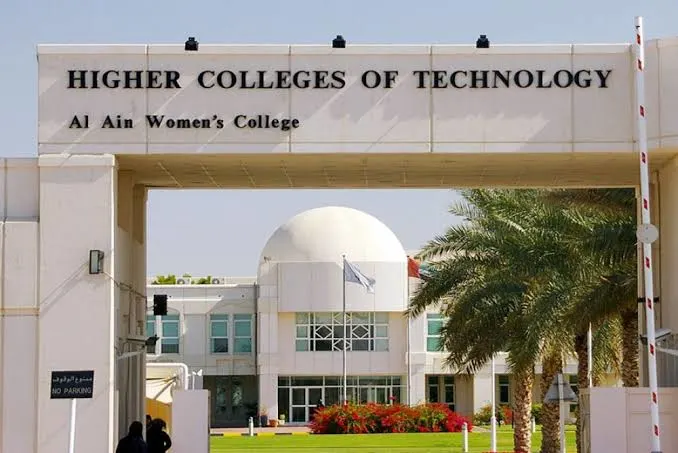
Higher Colleges Of Technology

Universities

Khalifa University

Universities

United Arab Emirates University

Universities
University Of Sharjah

Universities

Zayed University
Popular Courses to Study in UAE
The UAE offers a wide range of high-demand programs recognized globally. Universities are known for their industry-focused curriculum and strong employability outcomes.




Intakes in the UAE
UAE universities offer two primary intakes. Choose the one that best fits your academic goals and plans.


Pay Less With Scholarships in UAE
Numerous scholarships in UAE are available to help international students get admission to cost-effective courses.
Check Eligibility

Popular Cities in UAE
Explore vibrant cities known for top universities, diverse culture, and excellent career opportunities.

Abu Dhabi
37+ Universities | 1763+ Courses

Ajman
69+ Universities | 4716+ Courses

Dubai
79+ Universities | 2214+ Courses

Sharjah
78+ Universities | 2251+ Courses
Study in UAE for Indian Students 2026
Study in UAE has emerged as one of the fastest-growing choices for Indian students, and the appeal goes well beyond the skyline and the zero-tax paycheque waiting at the end of it. The UAE is barely a three-to-four-hour flight from most Indian metros, tuition at branch campuses and public universities is a fraction of what the same degree costs in the UK, US or Australia, and English is the language of instruction almost everywhere. If you're comparing study in UAE with destinations like the UK, Canada or Germany for the 2026 intake, the UAE offers a rare combination of proximity to home, globally recognised degrees and a genuinely fast route into a tax-free Gulf career.
This complete study in UAE guide walks Indian students through everything they need before applying, including the best universities, tuition fees, living costs, the UAE student visa process, scholarships, admission requirements and what happens after graduation. Whether you're aiming for a bachelor's, master's or MBA in Dubai, this guide will help you plan the move with a clear head and a realistic budget.
Why Study in UAE for Indian Students?
The UAE's biggest draw for Indian families is how close it feels, both geographically and culturally. Indian students already form the single largest international group on UAE campuses, making up around 43% of Dubai's private higher education intake in 2024–25, across roughly 42,000 students spread over 41 institutions. That means an established community, familiar food, and no real culture shock on arrival.
Academically, the UAE punches above its size. Khalifa University and UAE University both feature in global rankings, with Khalifa University placed 177th and UAE University 229th in the QS World University Rankings 2026, and Dubai alone hosts branch campuses of well-known British, Australian and Indian institutions, so a BITS Pilani or Heriot-Watt degree earned in Dubai carries the same weight as its home-campus equivalent. There's no language barrier to worry about either: almost every private university and branch campus teaches entirely in English, and several engineering and business programmes waive the IELTS requirement altogether for Indian applicants.
Then there's the financial upside once you graduate. The UAE has no personal income tax, so a starting salary goes noticeably further than the same number would in Europe or North America, and outstanding graduates have a genuine long-term residency pathway through the Golden Visa, something very few study destinations offer without an employer behind you.
Study in UAE at a Glance: Key Facts Every Indian Student Should Know
The UAE continues to be one of the most accessible study-abroad destinations for Indian students, combining internationally recognised degrees, a short flight home and one of the world's most employer-friendly, tax-free job markets after graduation.
Best Universities in UAE for Indian Students
The UAE's higher education landscape is split between government-run federal universities, semi-government research institutions, and a large cluster of international branch campuses concentrated in Dubai's academic free zones.
Fees vary by programme, year of entry and campus; always confirm current figures on the official university and KHDA/CAA pages before applying.
Popular Courses to Study in UAE
The UAE's own economy shapes what Indian students pick most. This is especially relevant for anyone exploring study in UAE for Indian students after 12th, since most branch campuses accept direct undergraduate entry straight after Class 12.
MBA in Dubai and business programmes remain the biggest draw. American University in Dubai, Heriot-Watt Dubai and Middlesex Dubai all run English-taught MBAs and business degrees pitched squarely at the region's trading, logistics and retail economy, while S P Jain School of Global Management's Dubai campus is popular with Indian applicants specifically for its global business focus.
Engineering and technology are close behind. Khalifa University, American University of Sharjah and BITS Pilani Dubai are consistently shortlisted by Indian STEM students, and the newer, highly specialised MBZUAI, dedicated entirely to artificial intelligence at the master's and PhD level, has quickly become a standout option for students chasing an AI-focused Gulf career. Aviation and aerospace programmes benefit from Dubai and Abu Dhabi's status as global aviation hubs, home to Emirates, Etihad and a dense cluster of MRO and logistics firms.
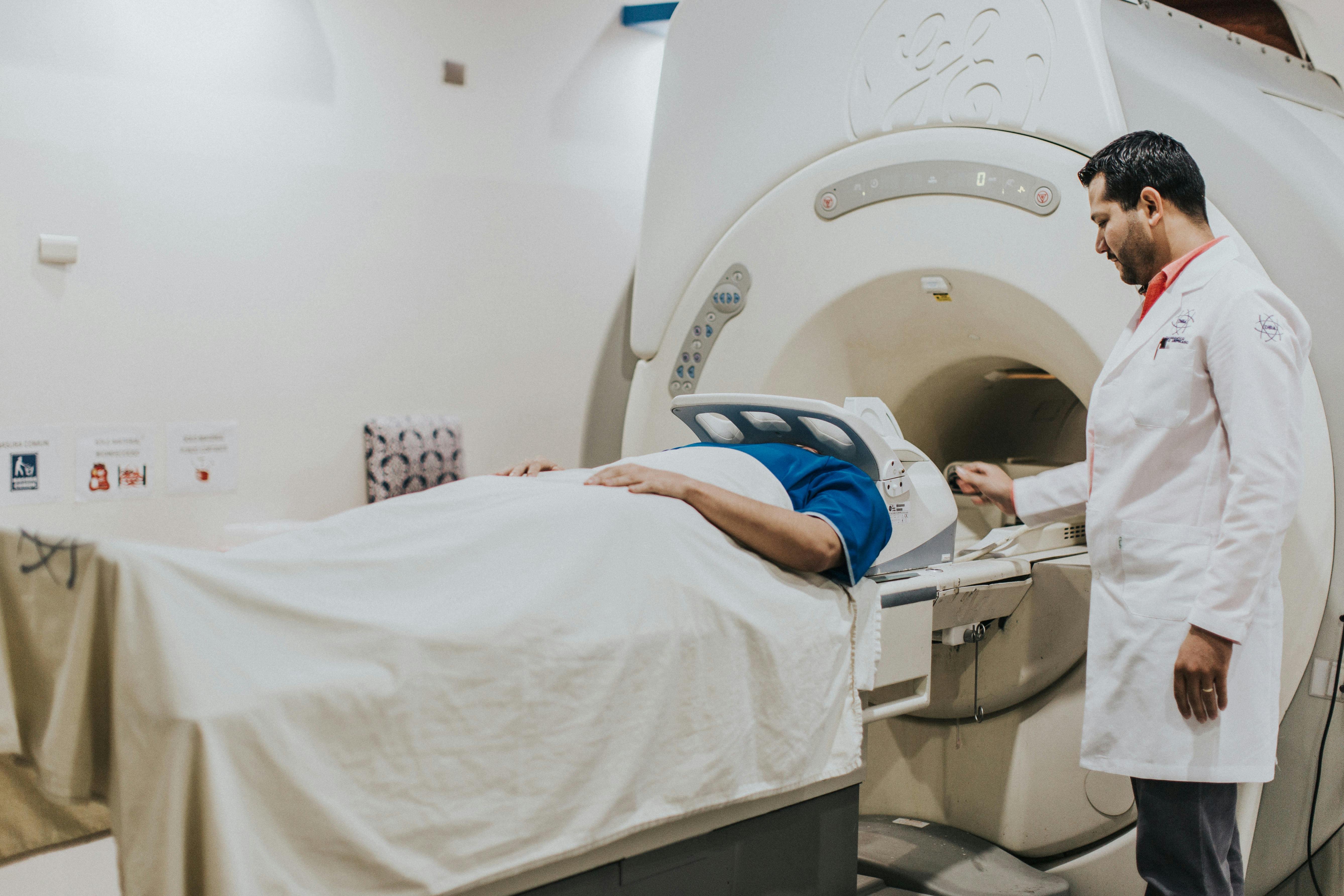
Beyond these, hospitality and tourism management (anchored by Dubai's hotel and events industry), architecture and interior design, media, journalism and digital marketing (Dubai is the region's media production base), finance and fintech, and healthcare and pharmacy round out the list of courses Indian applicants consistently shortlist.
Eligibility Criteria and Admission Requirements
Admission requirements are broadly similar across universities but worth confirming programme by programme. Undergraduate applicants typically need 60%+ in Class 12, while postgraduate courses require a relevant bachelor's degree, usually with a minimum GPA equivalent to 55–60%. Most English-taught programmes ask for an IELTS or PTE score of around 6.0–6.5, though several engineering programmes at Indian-curriculum-friendly institutions like BITS Pilani Dubai waive the IELTS requirement for Indian applicants entirely. Since UAE universities teach in English, there's no local-language requirement to clear, unlike destinations where a B1/B2 proficiency certificate is mandatory.
Where the UAE process differs from Europe is document attestation: academic transcripts and certificates need to be attested by India's Ministry of External Affairs (MEA) and, in many cases, the UAE Embassy or Ministry of Foreign Affairs, before a university will finalise admission. It's worth starting this step early, since attestation queues can run several weeks. A valid passport, a clear statement of purpose, letters of recommendation, and (for MBA applicants) two to five years of relevant work experience round out the standard checklist.
Cost of Studying in UAE for Indian Students
The cost of studying in the UAE sits comfortably below the UK, US, Canada or Australia for a comparable degree, and with scholarships and fee waivers factored in, it's often the most budget-friendly Western-style education Indian families can find.
On top of tuition, budget for the visa and admin setup, accommodation, food, transport and mandatory health insurance; together these commonly add another AED 3,000–10,000 (roughly ₹77,000–₹2.5 lakh) as a one-time pre-arrival cost, plus ongoing monthly living expenses. Because the UAE charges no personal income tax, students who take up approved part-time work during their studies keep every dirham they earn, which meaningfully softens the real cost of the degree compared to countries where part-time earnings are taxed.
Scholarships for Indian Students in UAE
Several UAE universities compete hard for international talent, and Indian students with strong academic profiles have genuine access to significant funding. Institutions like Khalifa University, MBZUAI and Al Qasimia University offer fully funded scholarships covering tuition, accommodation and living costs, particularly for postgraduate students in STEM and AI fields. The President's Scholarship at the American University of Sharjah, typically open between March and May, offers tuition waivers of 20–50% for high-achieving international students. More broadly, many branch campuses offer tuition fee waivers ranging from 10% up to 70% for merit-based applicants, so it's always worth checking each shortlisted university's scholarship page directly rather than assuming public listings are exhaustive. The UAE Embassy in India and individual university alumni networks also periodically run smaller, need-based grants worth exploring during the application window.
UAE Student Visa Process
Getting your UAE student visa in order comes down to a fairly linear, university-driven sequence, since your institution not you directly files most of the paperwork on your behalf. You start by securing an unconditional offer from a university licensed by the Ministry of Education (MOE) and accredited by the CAA or KHDA, then submit your visa application form along with your passport, photographs, offer letter, academic transcripts (attested), and proof of tuition payment. The university then processes your application, which typically takes three to four working days, after which you receive an entry permit valid for two months to enter the country.
Once you land in the UAE, the remaining steps medical test, Emirates ID biometrics, and residence visa stamping are completed within your entry permit's validity window, usually inside 60 days. Indian applicants should start their Police Clearance Certificate early, since it can take 15 to 30 days and is typically the slowest part of document preparation, alongside the multi-level attestation Indian certificates require. Total visa and admin costs generally fall in the AED 3,000–7,000 range, though this varies by university and whether a scholarship covers part of it. The student residence visa is issued for one year and renewed annually alongside your enrolment.
Visa tip: most rejections and delays trace back to attestation gaps or mismatched details across documents, not the visa interview itself get your PCC and attestations moving the moment you accept your offer.
Living in UAE as an Indian Student
Day-to-day costs vary sharply by city and by whether you choose shared private housing or a university residence, so it's worth budgeting city by city rather than working off a single national average.
Sharjah remains the most budget-friendly base while still being an easy commute from Dubai and Abu Dhabi campuses. On top of rent, budget roughly ₹20,000–₹35,000 a month for groceries, transport passes, health insurance and course materials, and lean on the UAE's large Indian grocery network to keep food costs down. Health insurance is mandatory for all residents, and most universities enrol students into a group policy automatically as part of the visa process.
A few habits go a long way here too: choosing Sharjah or a university hostel over private Dubai housing, applying for on-campus accommodation early, using a student ID for transport discounts, and building your part-time work hours into your semester budget rather than treating them as a bonus.
Part-Time Jobs and Post-Study Work Opportunities
International students on a university-sponsored residence visa can work part-time with the right paperwork: a No Objection Certificate from the university plus a part-time work permit from the Ministry of Human Resources and Emiratisation, allowing up to 20 hours a week, generally at AED 25–45 an hour, tax-free.
Unlike the UK, Canada or France, the UAE doesn't run a blanket post-study work visa. Instead, graduates typically move to an employer-sponsored work visa, which a company can arrange within two to three weeks of signing an offer, thanks to strong regional demand for English-speaking graduates in finance, technology, real estate and logistics. For high achievers, the standout option is the UAE Golden Visa: a self-sponsored, 5-year renewable residence visa (extending to 10 years for exceptional profiles) available to outstanding students graduating with a GPA of around 3.75 or higher, with no employer required to hold it. Average graduate starting salaries range from AED 8,000–15,000 a month, entirely tax-free, across sectors including finance, technology, aviation, hospitality and logistics all of which have a strong regional hiring appetite for international graduates.
Step-by-Step Application Process to Study in UAE
Applying to study in the UAE is straightforward once you know the order of operations. From shortlisting your course to landing at Dubai or Abu Dhabi airport with your visa validated, here's the sequence to follow:
Choose a course aligned with your academic background and career goals.
Shortlist universities based on ranking, city, tuition and scholarship availability.
Prepare documents: transcripts, SOP, LORs, IELTS/PTE scores (where required).
Get your academic documents attested (MEA + UAE Embassy/MOFA where needed) start this early.
Apply online via the university portal and receive your offer letter.
Pay your tuition deposit and submit your student visa application through the university.
Receive your entry permit and complete your Police Clearance Certificate.
Travel to the UAE within your entry permit's validity.
Complete your medical test, Emirates ID biometrics and residence visa stamping.
Following this sequence closely especially the attestation and PCC steps, which run on their own separate timelines helps you avoid the delays that trip up most first-time applicants.
Start Your UAE Study Abroad Journey with Confidence with WTS
Choosing to study in the UAE is a big decision, and getting the details right the right university, an accurate budget, a clean visa file makes the difference between a smooth move and a stressful one. WTS Study Abroad Consultant works with Indian students at every stage of this journey, from shortlisting universities and courses to preparing scholarship applications, document attestation and visa filing, so you can focus on getting ready for the UAE rather than getting lost in paperwork. If you're planning to study in UAE for an upcoming intake, reach out to our counsellors to build a plan around your profile, budget and goals.
Still exploring your options?
Get personalized guidance from our experts and
make the right choice for your
future.
Frequently Asked Questions
- Undergraduate: $8,000 - $20,000/year
- Master’s: $12,000 - $25,000/year
- MBA: $20,000 - $35,000/year
- PhD: $10,000 - $22,000/year
Scholarships and financial planning can help manage costs.
Students planning to study in UAE from India need:
- Academic transcripts
- English proficiency scores (IELTS / TOEFL / PTE)
- Letters of recommendation
- Statement of Purpose
- Valid passport
- Financial proof or scholarships
- Offer letter from an approved institution
Meet Our Study Abroad Experts
Get Exclusive Discounts on Application & VISA Fees



Get upto 80% discount on Visa Application fees
Register Now
Get details and latest updates