

Study in USA for Indian Students Your Path to Global Success
WTS is a trusted Study in USA consultancy in India, providing end-to-end support for admissions, scholarships, and visas.
Top-Ranked Universities
Study at globally recognized USA universities.
Scholarships & Financial Support
Access scholarships and financial aid for your studies.
towards your global future!
Get FREE Counselling Today!
 Your Future Starts in the USA
Why Study in USA?
The USA is one of the most preferred destinations for international students due to its high academic standards, diverse course options, and strong industry connections. With thousands of globally recognised institutions, study in the USA offers unmatched learning experiences and career prospects across multiple disciplines.
World-Class Education
Learn from top-ranked universities and industry-leading faculty.
Global Exposure
Experience diverse cultures, expand your network, and broaden your perspective.
 TOP UNIVERSITIES IN USA
Learn from the Best. Lead the Future.
USA is home to some of the world's most prestigious universities, known for academic excellence, innovation, and global opportunities.
Universities
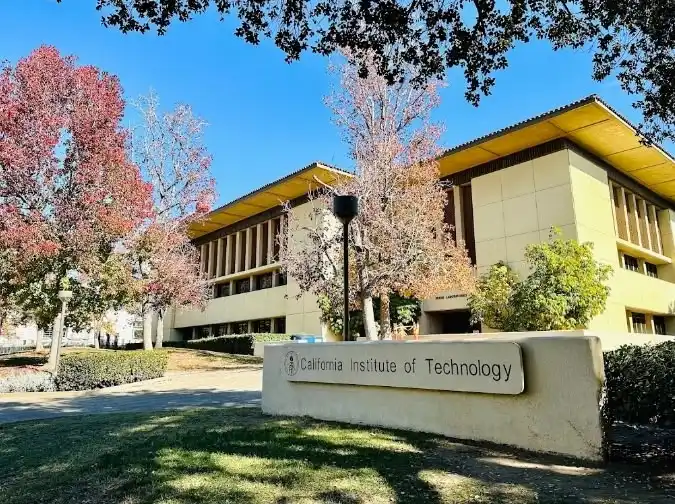
California Intitute Of Technology
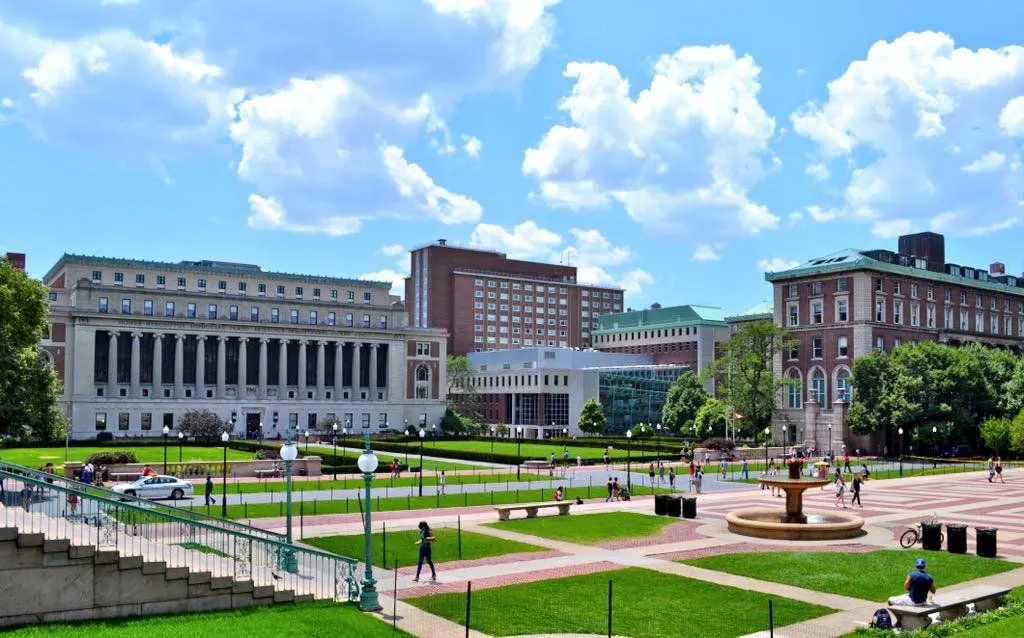
Universities

Columbia University
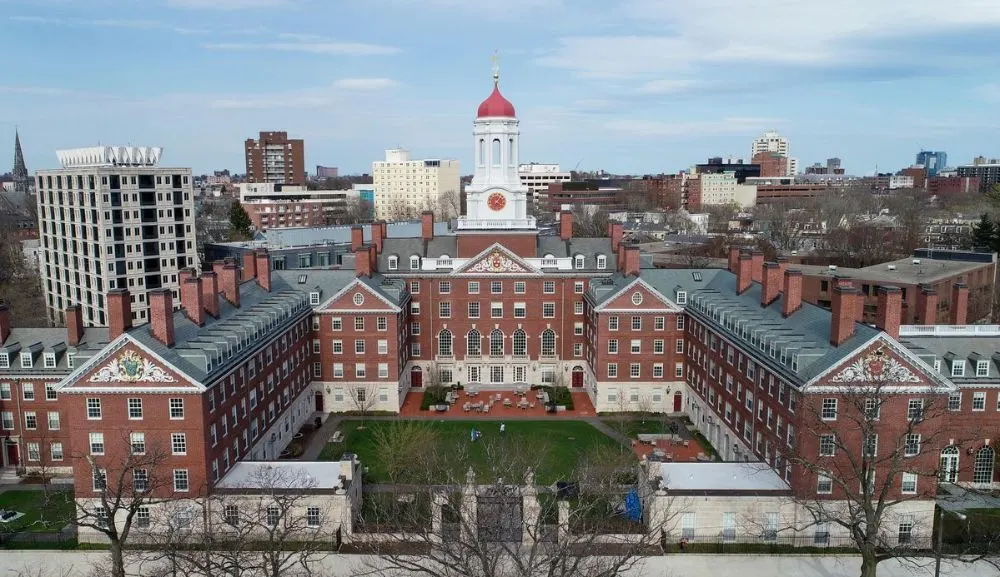
Universities
Harvard University
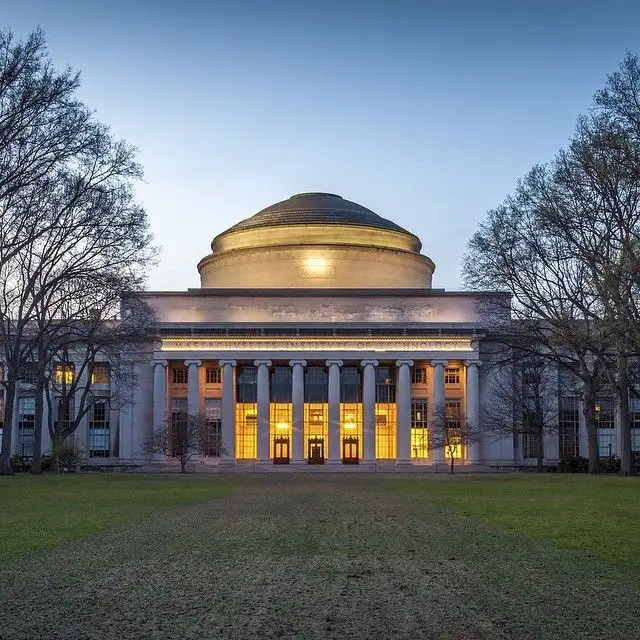
Universities

Massachuactts Intitute Of Tachnology
Universities
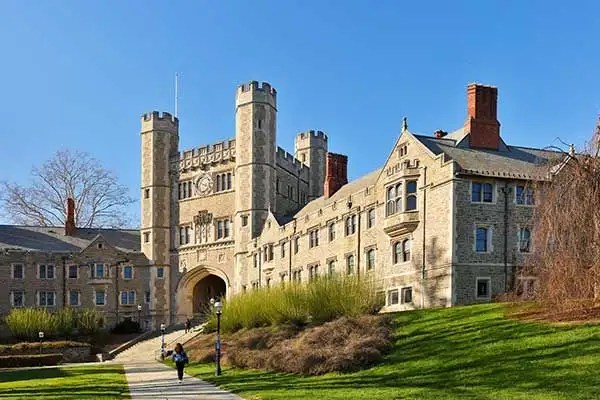
Princeton University
Universities
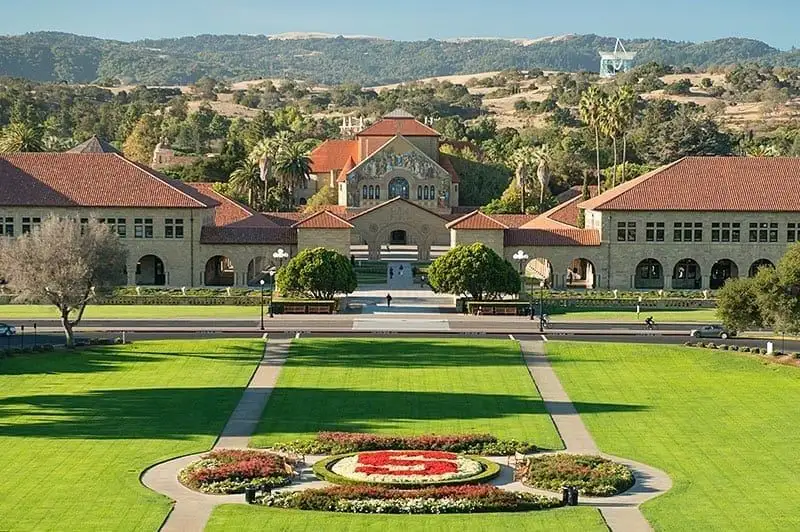
Stanford University
Universities

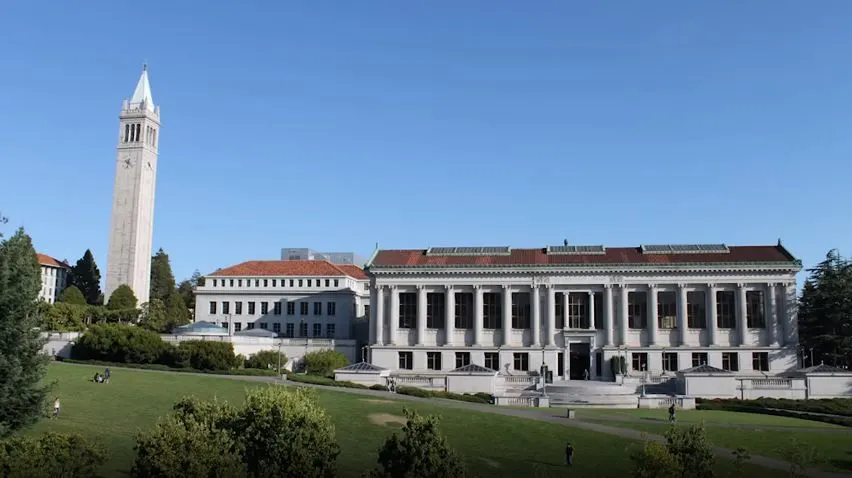
University Of California Berkeley
Universities
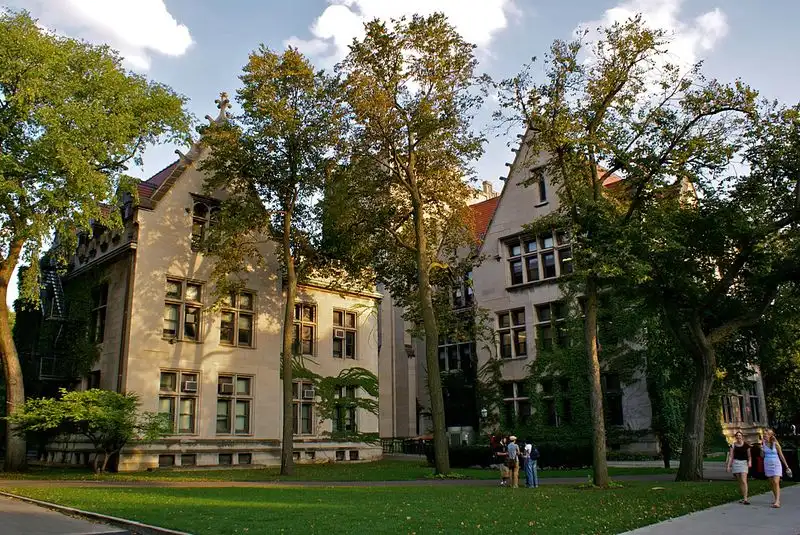
University Of Chicago
Universities
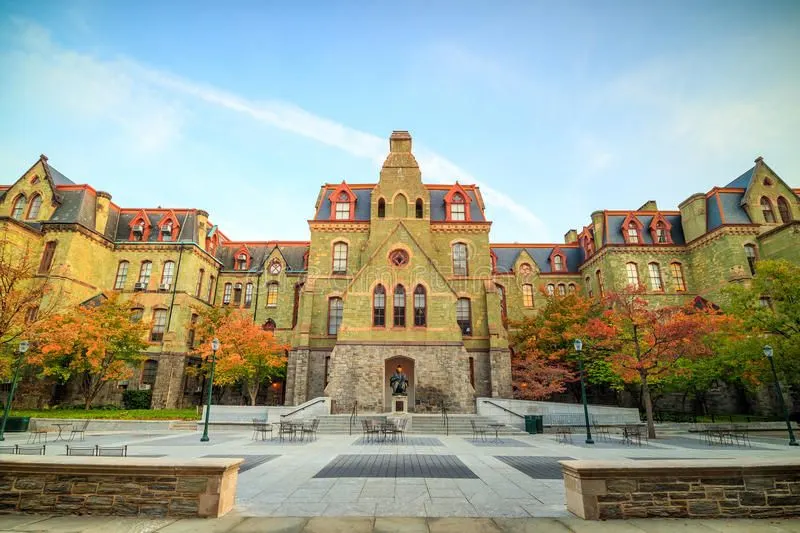
University Of Pennsylvania
Universities
Yale University
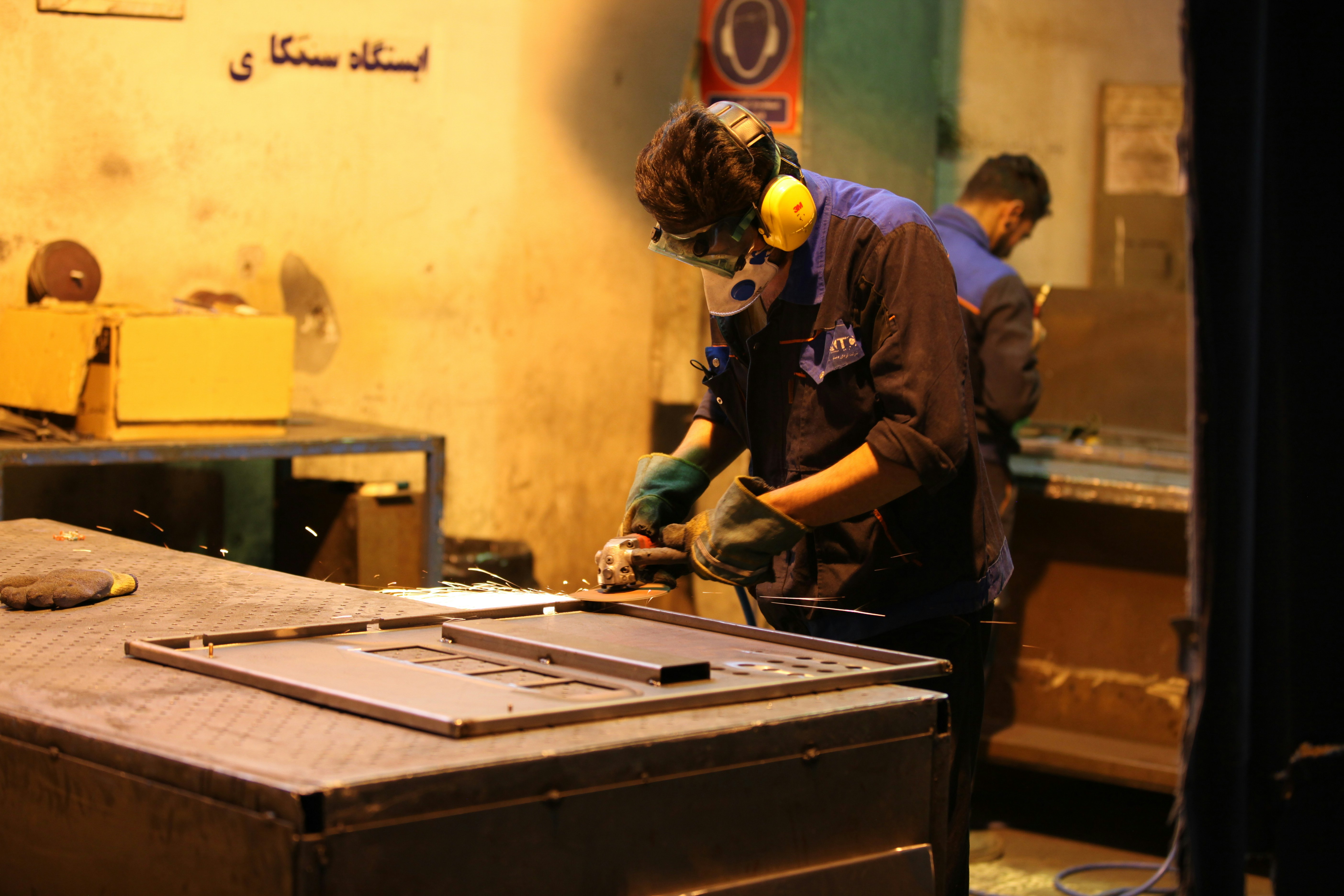
Popular Courses to Study in USA
The USA offers a wide range of globally recognised programs with strong career outcomes. Universities are known for industry-aligned curricula and research-driven education.

Intakes in the USA
USA universities offer two primary intakes. Choose the one that best fits your academic goals and plans.


Pay Less With Scholarships in USA
Numerous scholarships in USA are available to help international students get admission to cost-effective courses.
Check Eligibility

Popular Cities in USA
Explore vibrant cities known for top universities, diverse culture, and excellent career opportunities.

Boston
69+ Universities | 1101+ Courses
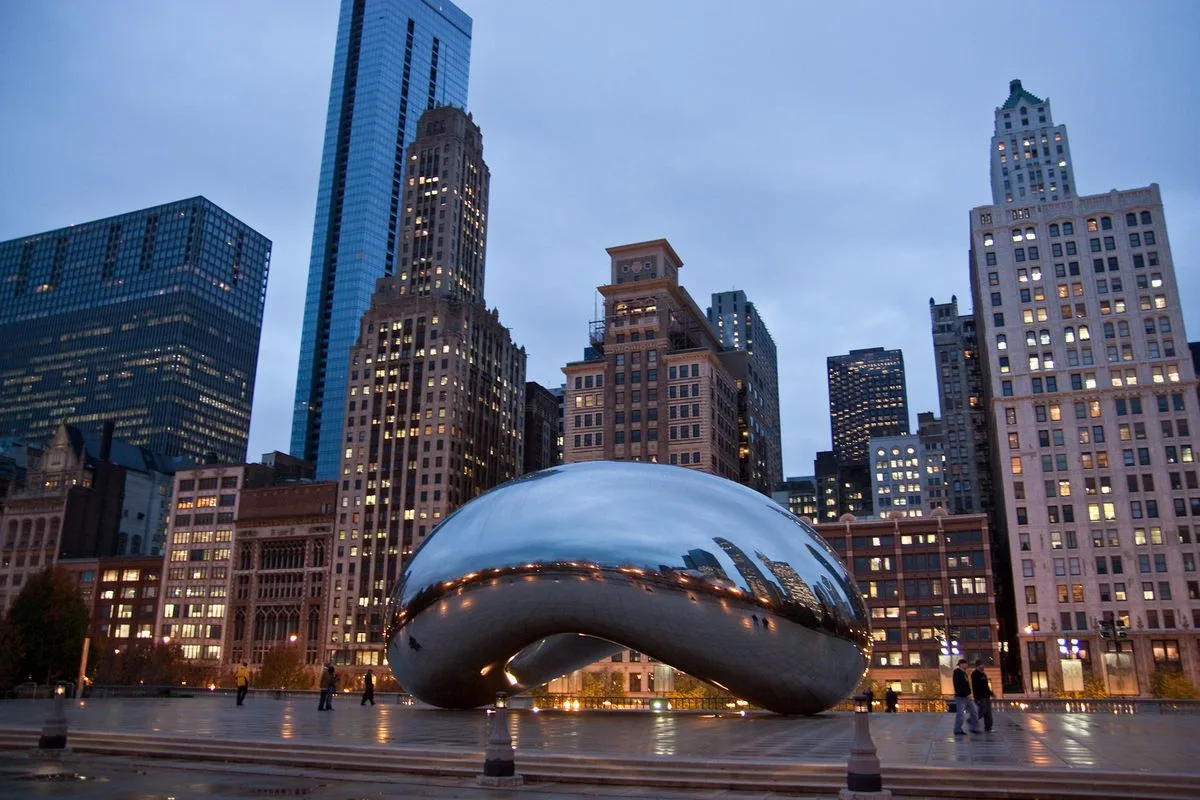
Chicago
45+ Universities | 1103+ Courses

Los Angeles
17+ Universities | 1658+ Courses

New York City
50+ Universities | 4097+ Courses
Study in USA for Indian Students 2026
Studying in the USA has long been the default dream for Indian students, and even with a more complicated visa landscape in 2026, it remains one of the most rewarding study-abroad destinations in the world. The United States is home to the largest concentration of top-ranked universities globally, offers unmatched research funding, and gives graduates access to on-campus jobs, Curricular Practical Training (CPT), and Optional Practical Training (OPT) that few other countries can match. If you're comparing study in USA with the UK, Canada, Germany or France for the 2026-27 intake, the US still wins on brand value, research depth and long-term earning potential, even though the cost and visa process now demand far more careful planning than before.
This comprehensive Study in USA guide walks Indian students through everything they need to plan their journey, including the best universities, tuition fees, living expenses, the F-1 student visa process, scholarships, admission requirements, and career opportunities after graduation. Whether you're planning a bachelor's, master's or MBA, this guide will help you understand the complete process of studying in USA for Indian students and make an informed, realistic decision before you apply.
Why Study in USA for Indian Students?
America's biggest draw is still choice and prestige. No other country offers this range of programmes, from small liberal arts colleges to research powerhouses, and Indian students can pick a path that matches both their budget and career goals. Academically, the US dominates global rankings, with dozens of American universities featuring every year in the QS World University Rankings, and it remains especially strong in engineering, computer science, business and the applied sciences.
Funding options are more developed in the US than almost anywhere else. Graduate students, especially in STEM, can access assistantships that typically involve working roughly 15 to 20 hours a week in exchange for a stipend and tuition benefits, with stipends in 2026 generally ranging between USD 1,500 and USD 3,000 a month depending on the university and city. And once you graduate, the return on investment can be strong: alumni from top US engineering and business schools regularly move into roles at Google, Amazon, Goldman Sachs, McKinsey and major consulting and tech firms.
That said, 2026 is a genuinely different environment from a few years ago. Visa scrutiny has increased, and Indian student enrolments saw a sharp pullback, with a reported 17% drop in admits to the US in 2025 as policies tightened. It's still very much worth pursuing, but Indian applicants now need a tighter, more realistic financial and visa plan than before.
Study in USA at a Glance: Key Facts Every Indian Student Should Know
Get a quick overview of the US education system, tuition fees, intakes, visa details, living costs and post-study opportunities before you begin your study abroad journey.
The US remains one of the most research-intensive and career-focused study destinations in the world, offering unmatched university choice, strong industry connections and significant on-campus and post-study work pathways for Indian students, provided you budget for it correctly and start your visa process early.
Best Universities in USA for Indian Students
The United States is home to globally recognised universities offering world-class education, strong industry ties and excellent career outcomes for Indian students across nearly every discipline.
Fees vary widely by programme, residency status and intake; always confirm current figures on official university websites and the Study in the States portal.
Popular Courses to Study in USA
The US is a strong choice across almost every field, and the courses Indian students pick most often reflect where American industry itself leads globally. This is especially relevant for anyone exploring study in USA for Indian students after 12th, since direct-entry bachelor's pathways are widely available right after Class 12.
MS in Computer Science and Data Science remain the standout draws, thanks to the country's tech industry concentration around Silicon Valley, Seattle and Austin. An MBA in USA is another major pull, with two-year programmes at top business schools offering strong recruiting pipelines into consulting, finance and tech, alongside faster one-year MBA options at schools built for career-switchers with prior work experience.
Engineering has long been a US strength, particularly mechanical, electrical, industrial and aerospace engineering, with strong industry linkages to companies like Boeing, Lockheed Martin and GE. Business analytics, artificial intelligence, cybersecurity and supply chain management have all grown quickly as standalone master's degrees, largely because they map directly onto in-demand job titles. Beyond these, public health, biotechnology, finance, and hospitality management round out the list of programmes Indian applicants consistently shortlist, with STEM-designated courses carrying an added advantage: they qualify graduates for the 24-month STEM OPT extension after graduation.
Eligibility Criteria and Admission Requirements
Admission requirements are fairly standard across US universities, but getting them right early matters more than ever given how competitive and document-heavy the process has become. Undergraduate applicants typically need strong Class 12 grades along with SAT or ACT scores (though many universities have gone test-optional), while postgraduate courses require a relevant bachelor's degree and, for many STEM and business programmes, a GRE or GMAT score. Most universities ask for an IELTS score of around 6.5–7.0 or a TOEFL score of 80–100, though a growing number now accept Duolingo English Test scores as well.
Beyond test scores, universities want a clear Statement of Purpose that connects your academic background to the programme and your career goals, along with two to three Letters of Recommendation from professors or employers. A passport valid well beyond your intended stay is essential, and MBA applicants at top business schools will usually need two to five years of relevant work experience along with a strong GMAT or GRE score.
Cost of Studying in USA for Indian Students
The cost of studying in USA for Indian students is significantly higher than most European destinations, and 2026 planning needs to account for both tuition and a realistic living budget, since visa officers will check both closely.
For 2025–2026, the total annual cost of studying in the US, covering tuition, living expenses and insurance, typically works out to USD 37,000–85,000, or roughly INR 32 lakh to INR 75 lakh, and it's worth budgeting close to an additional INR 2 lakh in one-time pre-arrival costs for exams, applications and the mandatory SEVIS fee before you even land. On top of tuition, health insurance is another major line item: mandatory coverage typically costs between roughly INR 41,500 and INR 83,100 a year, though university-run health plans can run considerably higher in some cases.
On the funding side, many graduate students offset costs meaningfully through university work. International students on an F-1 visa can work on campus for up to 20 hours a week during the semester and full-time during official breaks, with most on-campus roles paying between USD 8 and USD 15 an hour, enough to cover groceries and transport but rarely the full cost of rent. For graduate students specifically, Graduate Assistantship and Research Assistantship stipends of USD 1,500–3,000 a month are considered the "gold standard" of funding, and they typically come with a tuition waiver attached, which is why applying for assistantships early (most are allocated by March for the Fall intake) matters so much.
On the return side, STEM graduates in particular see a strong payoff: average entry-level salaries for STEM graduates in 2026 range from roughly USD 85,000 to USD 130,000, which can make even an expensive private university degree recoverable within a few years of employment, provided you land a US-based role.
Scholarships for Indian Students in USA
Unlike France or Germany, the US doesn't offer broad government-funded tuition subsidies, so scholarships and assistantships matter even more here. The Fulbright-Nehru Master's Fellowship is among the most prestigious options, covering tuition, airfare and living expenses for outstanding candidates in specific fields. University-specific merit scholarships are common at both public and private institutions and are usually awarded automatically at the time of admission based on academic profile, so a strong application can meaningfully reduce your tuition bill without a separate scholarship essay.
Corporate and foundation-backed scholarships also exist specifically for Indian students, such as the Tata Scholarship for Cornell, aimed at Indian undergraduates admitted to Cornell University, and the MPOWER Udaan India STEM Scholarship, which provides up to USD 5,000 for Indian students pursuing STEM fields. Beyond named scholarships, most students fund a significant part of their US education through graduate or teaching assistantships once enrolled, so it's worth applying to programmes that are known for funding their master's and PhD cohorts generously.
US Student Visa (F-1) Process
Getting your US student visa sorted in 2026 comes down to a longer, more document-heavy sequence than it used to be, so starting early is genuinely important. You begin by securing admission from a SEVP-certified US institution and receiving your Form I-20, then pay the SEVIS fee, currently around USD 350 (approximately INR 29,100), and schedule your visa interview. Next, you complete the DS-160 online application, pay the Visa Application (MRV) fee of USD 185 (approximately INR 15,400), and gather your documents: passport, I-20, admission letter, academic transcripts, standardised test scores, SOP and financial proof covering at least your first year of study.
To obtain your I-20 and visa, you must show proof of funds covering at least the first year's tuition and living expenses, and consulates in 2026 are checking this closely, so bank statements, education loan sanction letters or sponsor affidavits need to be clean and consistent with your I-20 figures. As part of a broader 2026 security shift, applicants should be prepared for enhanced biometrics collection, including fingerprints and facial scans, along with closer scrutiny of social media history and academic background during the interview. Processing is currently averaging 30–45 days, though appointment wait times in cities like Mumbai can run considerably longer, so it's best to apply three to four months before your intake rather than the two months that used to be standard advice.
Visa interview tip: Keep your academic narrative consistent and be ready to clearly explain your course choice, funding sources and post-study intent. Visa officers in 2026 are placing more weight on "student intent," so vague or rehearsed-sounding answers tend to raise flags.
Living in USA as an Indian Student
Day-to-day costs vary enormously by city in the US, far more than in most other study destinations, so it's worth budgeting city-specific rather than working off a national average.
An international student should generally budget between USD 1,200 and USD 2,500 a month for living costs, depending heavily on the city; mid-range regions like Texas run cheaper, while hubs like New York or San Francisco are significantly more expensive. On-campus dorms are convenient for the first year, but shared off-campus housing can save up to 40% on rent compared to single dorm rooms, which is why most students move off-campus after their first semester once they know the city better. Cooking at home instead of eating out, buying a monthly transit pass, and using a student ID for discounts all help stretch a tight budget, and Indian grocery stores and student associations are easy to find in almost every major US college town.
Part-Time Jobs and Post-Study Work Opportunities
F-1 visa holders can work on campus for up to 20 hours a week during the semester and full-time during official breaks, and eligible graduate students in qualifying programmes can also access Curricular Practical Training (CPT) for degree-related work while still studying. After graduation, most students move onto Optional Practical Training (OPT), which allows up to 12 months of work authorisation in your field of study, and STEM-designated degree holders can extend that with a further 24-month STEM OPT extension, giving STEM graduates up to three years of total post-study work authorisation.
It's worth understanding the current H-1B landscape before you commit, since it has shifted significantly. A $100,000 fee now applies to new H-1B petitions filed for candidates outside the United States, effective from September 2025, but students already in the US on F-1, OPT or STEM OPT status who apply for an H-1B change of status from within the country are not subject to this fee, and neither are existing H-1B holders or renewals. In practical terms, this means employers now have a stronger incentive to hire graduates who are already studying or working in the US rather than sponsoring candidates from abroad, which is one reason career counsellors increasingly point out that the cumulative probability of securing an H-1B over a typical three-year OPT and STEM OPT period may actually be rising for candidates already inside the US. It's a genuinely more complex picture than a few years ago, so it's worth discussing your specific field and target companies with a counsellor rather than assuming the old playbook still applies.
Key sectors actively hiring international graduates include technology (Google, Microsoft, Amazon, Meta), consulting and finance (McKinsey, Deloitte, JPMorgan, Goldman Sachs), engineering and aerospace (Boeing, Lockheed Martin, GE), healthcare and biotech (Pfizer, Johnson & Johnson) and semiconductor and hardware firms (Intel, Nvidia, Qualcomm).
Step-by-Step Application Process to Study in USA
Applying to study in USA is straightforward when you understand each stage of the admission and visa process. From selecting the right course and university to securing your F-1 visa, following these steps will help you complete your application smoothly and avoid last-minute surprises.
Choose a course and degree level aligned with your academic background and career goals.
Shortlist universities based on ranking, location, funding availability and budget.
Prepare documents: transcripts, SOP, LORs, SAT/GRE/GMAT and IELTS/TOEFL scores.
Apply online via each university's admissions portal or the Common App (for undergraduates).
Receive your admission offer and Form I-20 from your chosen university.
Pay the SEVIS fee and schedule your F-1 visa interview.
Attend your visa interview with complete financial and admission documentation.
Book accommodation before departure, on-campus housing or off-campus shared apartments.
Travel to the US and complete your mandatory international student orientation on arrival.
Following this step-by-step application process will help you avoid common mistakes, meet important deadlines, and ensure a smooth transition from receiving your admission offer to starting your studies in the USA.
Start Your USA Study Abroad Journey with Confidence with WTS
Choosing to study in USA is a big decision, and getting the details right, the right university, an accurate budget, a clean visa file, matters more in 2026 than it ever has. WTS Study Abroad Consultant works with Indian students at every stage of this journey, from shortlisting courses and universities to preparing SOPs, assistantship and scholarship applications, and F-1 visa filing, so you can focus on getting ready for the US rather than getting lost in paperwork. If you're planning to study in USA for an upcoming intake, reach out to our counsellors to build a plan around your profile, budget and goals.
Still exploring your options?
Get personalized guidance from our experts and
make the right choice for your
future.
Frequently Asked Questions
Blogs
Cost of Studying in USA for Indian Students: Complete Budget Guide (2026)
Studying in the USA is a dream for lakhs of Indian students every year. But before you pack your bags, one question alwa...
Read More
Duolingo Accepted Universities in USA 2026: Top Colleges, Score Requirements, Fees & Admission Guide
If you have been putting off your study in USA applications because you dread booking an IELTS or TOEFL slot, here is so...
Read More
Best Affordable Universities in USA for best Higher Education
Studying in the USA is a dream for many Indian students, but the biggest concern is always the cost. Tuition fees, livin...
Read More
F1 Visa in USA Expert Tips to Avoid Rejection
For many Indian students, studying in the United States represents a gateway to world-class education and global career...
Read MoreMeet Our Study Abroad Experts
Get Exclusive Discounts on Application & VISA Fees



Get upto 80% discount on Visa Application fees
Register Now
Get details and latest updates