


Eco-friendly web design aims to cut the environmental cost of websites while also keeping performance and access strong for users. Applying sustainable web design methods helps websites use less power, speed up load times, and give efficient experiences to people everywhere. Digital growth is rising worldwide in 2025, so designers must now balance web growth with care for the planet’s future. By choosing a sustainable web design, companies bring technology progress together with care for nature and new generations. Today, top web design services promote eco-friendly methods more than before. Choosing the best website design firms that care about sustainability shows your site can make a real difference for the environment.
What Is Sustainable Web Design?
Building a sustainable web design means developers make sites that lower energy, trim digital waste, and keep a focus on efficiency. When making a website sustainable, a developer creates speedy load times and skips wasteful code that adds no value. Sustainable website projects blend best website design companies with high performance, access for everyone, and eco-aware choices that make a well-balanced digital space. More people and businesses in 2025 know online tools have an environmental cost, so sustainable design reduces the digital carbon footprint in a responsible way.
Defining Eco-Friendly Websites
Some web platforms are made to use minimal resources and still give users a smooth journey. Coders use slim coding styles, shrink data sizes, and avoid big elements that can lower the site’s performance. When energy use falls, eco-friendly websites make less stress on servers and hardware, bringing down carbon output. A move towards green web hosting, using wind and solar energy, keeps the whole site setup earth-friendly. Sustainable web design agencies are ready to support companies who need to follow these eco steps.
Key Principles of Sustainable Design
Main rules in sustainable web design are efficiency, minimalism, and making sites that last. For efficiency, builders write simple code, use small files, and make sure sites need little power for good results. Minimalism removes what is not needed, cuts digital waste, and makes every click easy for the user. With longevity, the plan is to set up websites that stay strong over years without redesign. When these ideas combine, a website both lowers its carbon output and stays useful. Agencies in sustainable web design show how to include these values in every project.
Designing for the Future: Making Your Websites Sustainable
A good website for the future should have sustainable website design, keep working, adapt, and need little energy even when lots of people visit. Modular structure, coded to scale, and planned code mean no frequent rebuilding of your web pages. Expecting higher web traffic, a developer plans for robust and low-waste setups for maximum reliability. Modern web design includes next-gen image formats, adaptive layouts, and shifts to renewable hosting to save resources. By planning and acting early, developers achieve a website that lasts and is supports green goals.
Why Eco-Friendly Websites Matter in 2025?
 As the web uses more energy in 2025, eco-focused design grows in importance. Every digital task such as browsing and watching videos adds to the carbon dioxide balance. Web building teams who reduce energy drain help servers last longer and keep the whole network greener. Going green with web design services design fits with new consumer demand for brands that show environmental action and earn trust. Having the best website design software supporting sustainability helps developers limit digital waste. Each step in eco-friendly web design lets owners and coders join the fight against climate change, while still giving users quality service.
Rising Energy Consumption
The internet today uses a big part of total global energy. Things like streaming, shopping online, and normal web browsing all need electricity. Always-on data centers build up carbon pollution all hours of the day. With more users, web activities make bigger impacts on the planet. Thinking about this, designers and organizations gain by learning where to use less power. Cutting down the internet’s energy needs is a straightforward climate solution.
Server and Network Efficiency
Websites using eco techniques lower sustainable website design energy by making data centers more efficient. Designers favor lighter sites with trimmed code needing less processing work. Steps such as using only small scripts, optimized images, and simple code conserve electricity. Faster sites lead to less energy waste and better visitor experience at the same time. Digital setups running this way also spend less on operations and last longer. Making websites with green values keeps best website design companies digital spaces resilient and less wasteful.
Consumer Expectations
People today want brands to act responsibly for the environment. Businesses miss out if they ignore sustainability because they lose public trust. A green website shows everyone that the company cares about the best website design software world. Shoppers make choices based on whether brands care about these issues. Proving digital sustainability helps companies keep loyal customers. Getting this right provides an edge against competitors in digital space.
Reputation and Trust
A brand’s reputation rises with sustainable web design. When organizations use eco-web methods, they signal they accept responsibility for their impact. Having a green website helps gain trust from customers, investors, and business partners. Recognition comes to those who lower their digital impact. Standing out with responsible practices makes a company preferred in tough sectors. Long-term, strong reputation comes not just through marketing, but by true action for the environment.
Sustainable Development Tools
Eco software helps reduce web waste for digital creators. Using coding and image tools that save energy hits sustainability goals faster. Website carbon footprint can be measured by developers with these digital instruments. Opting for green hosting makes another difference in the platform’s total impact. Efficiency software upgrades both digital function and planet health. Putting these tools in place leads to digital work that stays sustainable and long-lasting.
Climate Action Role
Every choice for green design joins in eco friendly web design fighting climate change. Cutting digital energy lowers a company’s carbon emissions. Developers and businesses directly back global environment protection through daily choices. Technology and sustainability work together in a successful, green project. Good web practices inspire others to follow eco principles. Supporting sustainable web design protects the earth and ensures quality internet access for people everywhere.
Core Elements of Sustainable Web Design
A sustainable web design ensures digital services are effective, can be accessed by all, and keep environmental goals in mind. More complex websites often pull more power, making bigger carbon footprints. Teams using performance-first plans, simple writing of code, green hosting servers, and design for all can shape true sustainable sites. Professional web work seeks clear purpose, lowers how much energy is needed, and lets web assets last many years. This way, innovation partners with environmental ideas, keeping things fast and fair for humans and nature together.
Efficient Coding Practices
Writing efficient code keeps website eco friendly web design operations light on server and device demand. By trimming useless code, picking thin frameworks, and using tidy solutions, a developer avoids wasted processing. Sites run faster, are simpler to upgrade, and can welcome more visitors without lag from this approach. Lowered bandwidth means less energy burned in moving data from place to place. Such thoughtful coding keeps websites working well with only a fraction of past resource use. Using top website design software, developers can keep code efficient in sustainable projects.
Optimized Media & Images
Optimized visuals mean more green websites. Big media files slow load speed and drain extra energy. Cutting file sizes, picking advanced formats, and adjusting images for each device reduces strain without losing clarity. Speed gains from these steps are felt on all types of hardware, even with weak connections. This works to cut energy waste and leaves a smaller effect on the earth. Websites using optimized media also welcome more people with easier access.
Green Hosting Solutions
The shift to green hosting makes a powerful change in website carbon footprints. Standard hosts burn fossil fuels, but green providers use wind, solar, or similar energy. Data centers with renewable power work with fewer emissions without dropping uptime. Green hosting lets brands align digital plans to larger eco targets. Many eco-focused web creators choose green hosting as a major building block for low-impact sites.
Benefits of Sustainable Web Design
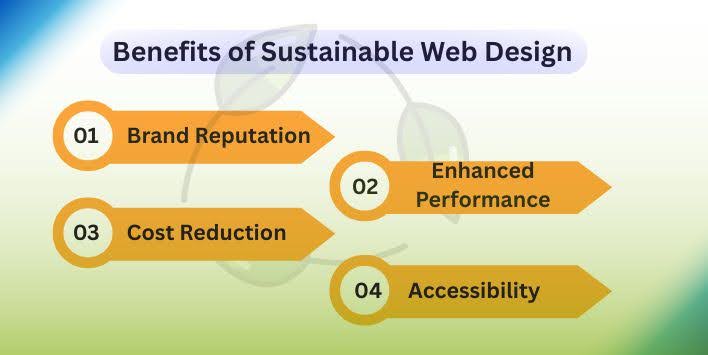
Developers see gains beyond just environmental effects with sustainable web systems. Users enjoy speedy sites, fewer drop-offs, and smoother visits. Smart digital design lightens energy loads and stretches IT investments for companies. Extra efficiency from going green helps even old gadgets or weak networks. Companies who show demand for sustainability gain a better image and support from the public. In the wider view, smart web design helps both nature and business keep growing.
Enhanced Performance
Websites built with green thinking deliver pages quicker and smoother. People browsing get faster service and find fewer loading troubles. Clean code and only the needed media reduces server work and delays. Visitors stay when sites move quickly, and abandon slow ones less. Top performance keeps a site stable under heavy use. Better results for speed can lead to a bump in search engine ranking.
Cost Reduction
Lower energy needs bring down costs for sustainable web design agency companies running sites. Efficient coding and less media mean smaller server bills and bandwidth expenses. Energy-wise sites cost less to upgrade and fix as well. Making hardware run longer through efficiency is a money saver. Savings from this can go into new company projects or expansion. Better costs turn green web projects into smart financial steps.
Accessibility
More people can use sites that follow sustainability standards. Sites that are simple run on many devices, even old ones. Thin page designs help users in low-bandwidth regions join in. With improved access, content can be read by bigger groups of visitors. Following green ideas also matches with universal usability advice. Accessible sites meet needs for all, with eco values in every step.
Brand Reputation
Sustainable action polishes the public view of a business. Eco steps on the web show a company aims for more than just profit. Buyers are picking more businesses who speak on ecological issues. Openness in how sustainable work is carried out builds trust. Having a real commitment to green sustainable web design agency practices sets a brand apart from others. Good reputation brings loyal customers, keeping the relationship strong over time.
Conclusion
Sustainable web design now stands as something websites must include, not just a nice extra. Paying attention to energy-saving steps, green optimization, and clean power helps digital experts keep sites fast and clean for the earth. This thinking supports rapid global web growth without growing the ecological cost. Going green with website design keeps tech moving ahead and limits resource harm. A decision toward green design helps both the digital world and the real world advance. To ensure the best results, pick leading agencies and top website tools focused on greater sustainability. The next chapter in web development will come from making sustainability a key part of design choices.