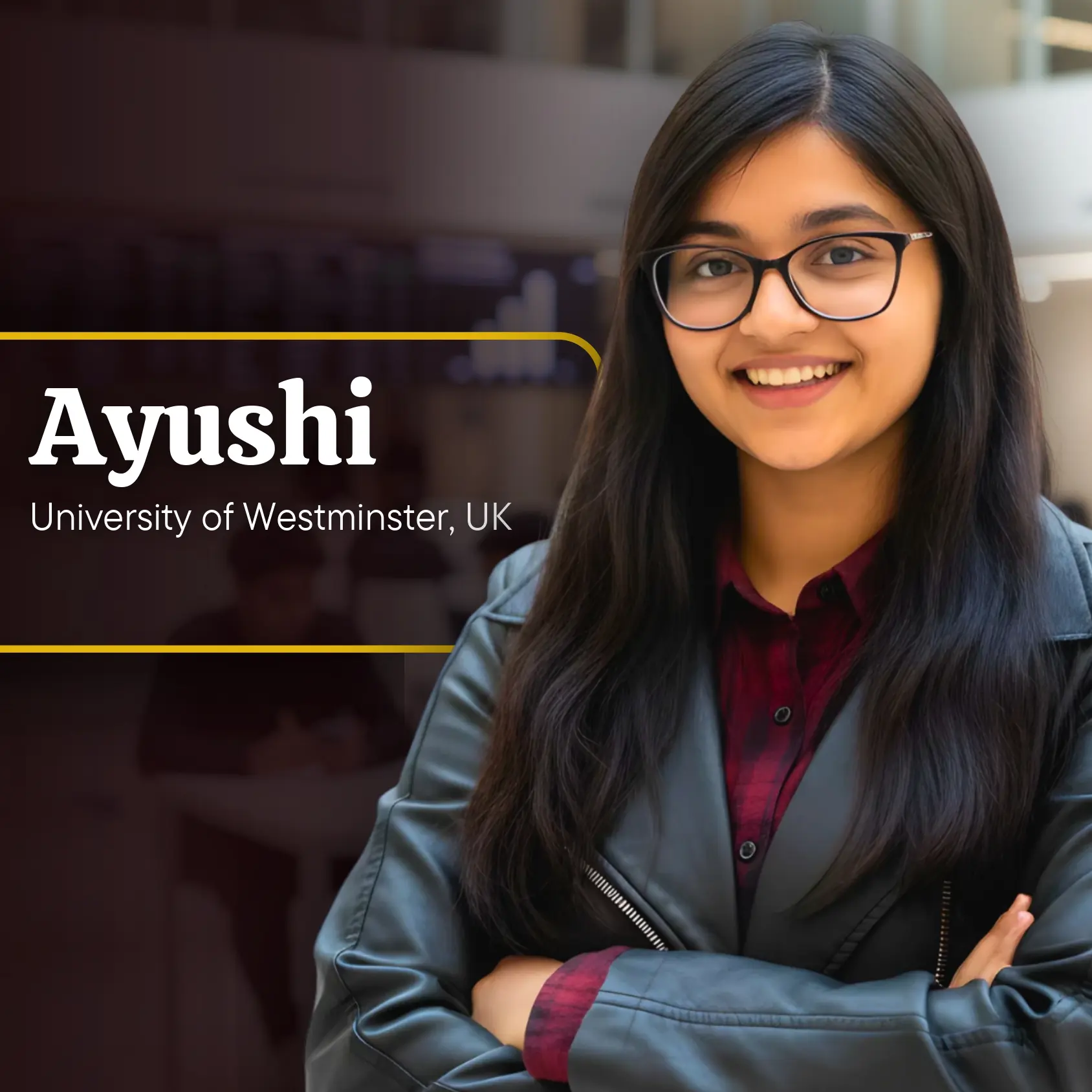
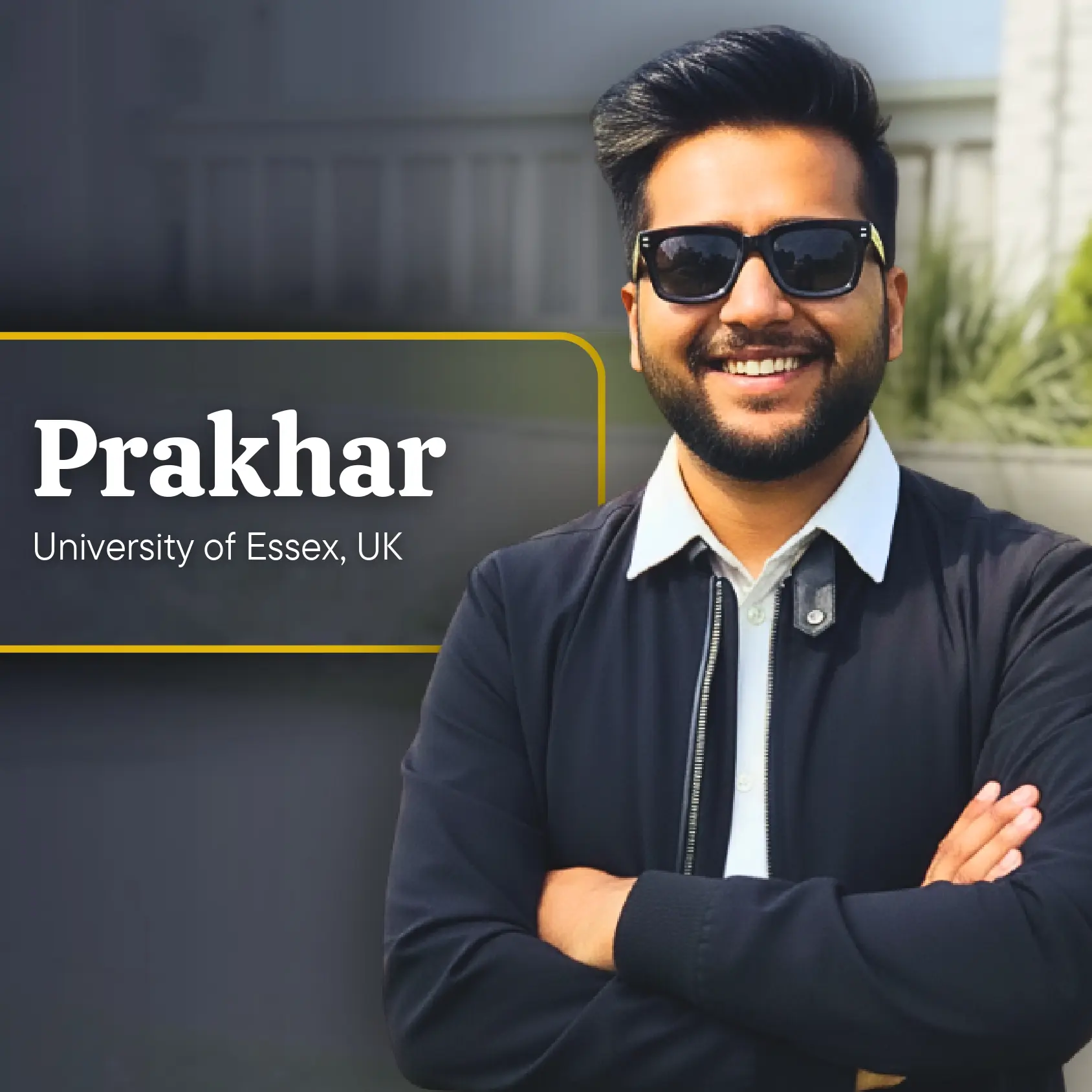
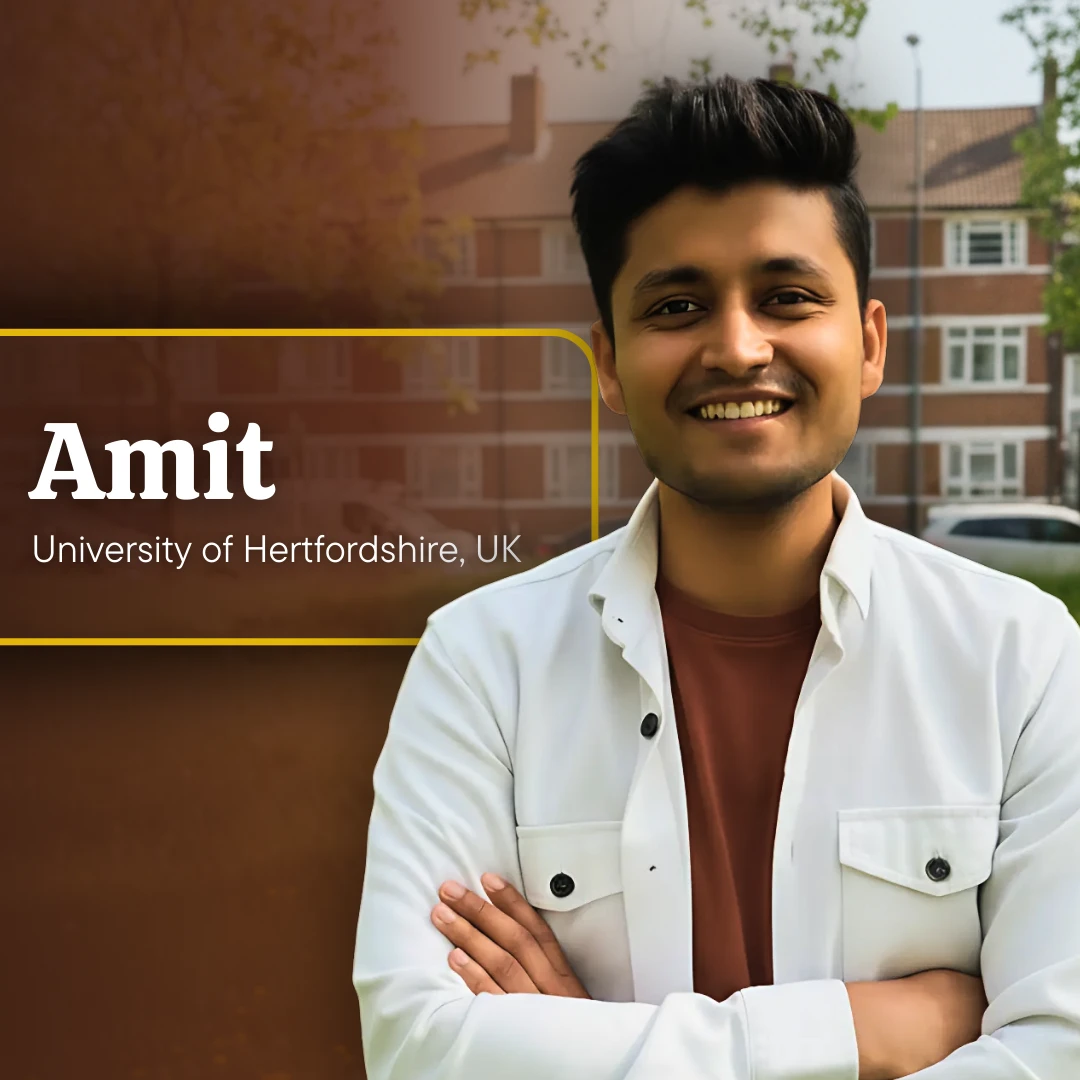
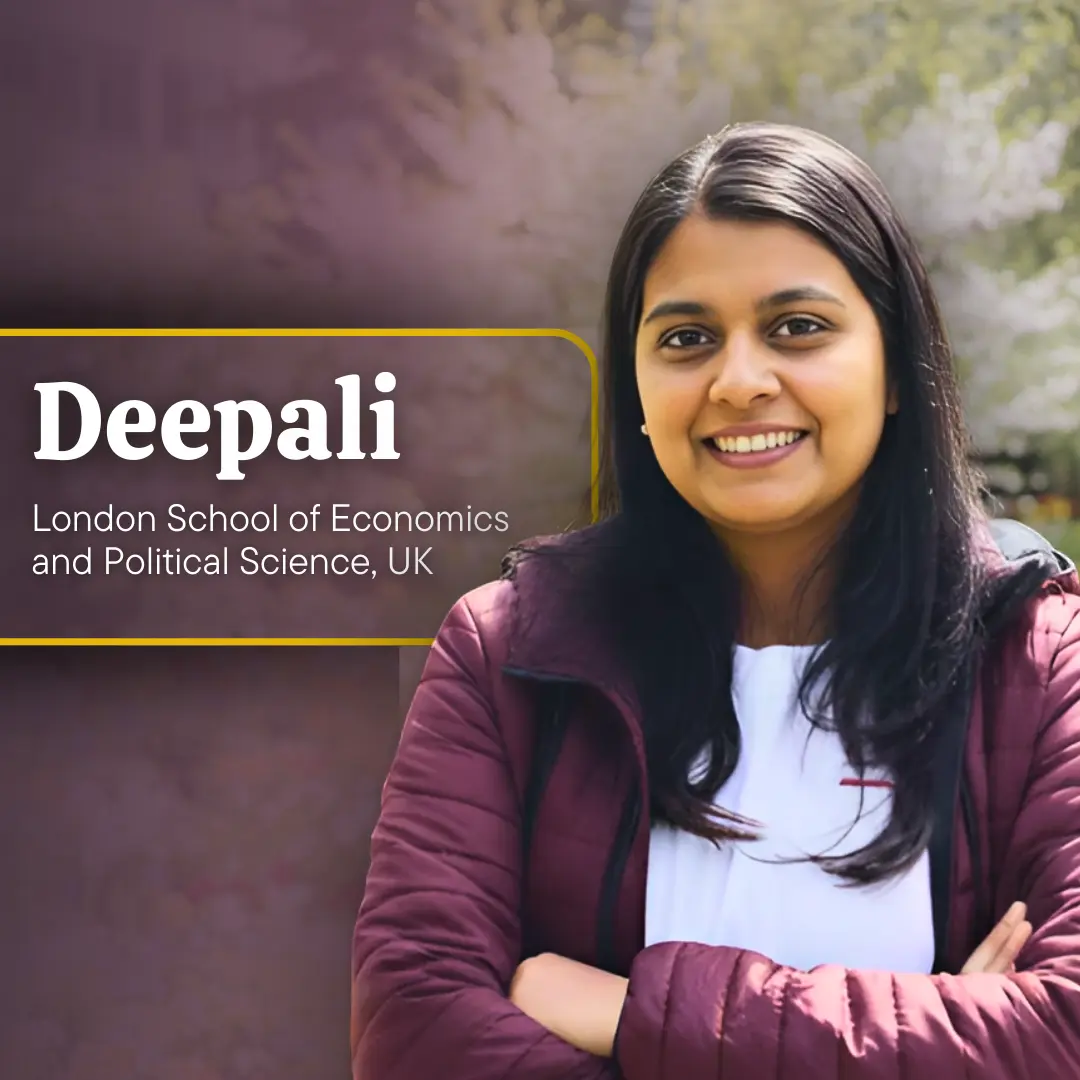
That's the gap study abroad consultants in Pune are meant to fill: turning a confusing, high-stakes process into a clear, step-by-step plan from your first conversation about which country might suit you, right through to the day you land on campus.
WTS Study Abroad Consultant works with students across Pune who are exploring universities in the UK, Canada, USA, Australia, New Zealand, Ireland, Germany, France, and Dubai. If you're at the stage of I know I want to study abroad, but I don't know where to start, a free profile evaluation is usually the most useful first step.
Study Abroad Consultants in Pune
A study abroad consultant's job isn't to fill out forms for you it's to make sure the choices you make early on (country, course, university) actually hold up under the pressure of deadlines, budgets, and visa scrutiny later. Most of the mistakes that derail an application a mismatched course, a missed intake, a rushed SOP, an incomplete financial document happen because a student was working from scattered forum advice instead of a structured process.
Professional counselling helps in a few concrete ways. It narrows down an overwhelming list of countries and universities into a shortlist that actually matches a student's academic profile, budget, and career direction. It flags documentation and eligibility issues months before they become a crisis. And it keeps the many moving parts test scores, application deadlines, financial proof, visa timelines moving on a schedule instead of colliding with each other in the final weeks before an intake.
For students from Pune, this also means having someone local who understands the practical side: which nearby test centres to use for IELTS or PTE, how to plan around local academic calendars, and how to have these conversations with family in a way that answers their concerns too because for most Indian families, this is as much a financial decision as an educational one.
Why Choose WTS Study Abroad Consultant in Pune?
The honest answer to why choose a consultant is that a good one should make your application stronger and your process calmer not promise outcomes no one can guarantee. WTS focuses on the parts of the process where guidance genuinely changes outcomes:
Personalised counselling based on your academic record, budget, and goals not a generic country recommendation
Profile evaluation to identify realistic university options before you spend money on applications
Course and university selection balanced across ambitious, target, and safer choices
Application assistance forms, document checklists, and deadline tracking
Scholarship guidance on what's available and how to apply for it
SOP and LOR support structure and feedback, never a copy-paste template
IELTS/PTE/TOEFL guidance on which test suits which university and how scores are used
Financial planning support for tuition, living costs, and proof-of-funds requirements
Student visa assistance with documentation and interview preparation
Pre-departure guidance on accommodation, travel, and settling in
Post-admission support so you're not left on your own once the offer letter arrives
No consultant WTS included can guarantee a visa or an admission decision, since those are made by universities and government authorities, not by us. What we can control is the quality and completeness of what you submit, and that's where the effort goes.
Our Study Abroad Counselling Process
Step 1 Free Profile Evaluation
We start by reviewing your academic background, percentage or CGPA, intended course, any work experience, English proficiency, approximate budget, and career goals. This gives both of us a realistic starting point before any money or time is spent on applications.
Step 2 Course Selection
Based on your background and interests, we narrow down course options that are genuinely available to you not just courses that sound appealing, but ones your academic profile can realistically support.
Step 3 Country Selection
We compare destinations on tuition fees, living costs, course availability, university quality, post-study work options, and your own preferences, so the country choice is based on fit rather than trend.
Step 4 University Shortlisting
We build a shortlist across three tiers ambitious (reach) options, target (realistic match) options, and safer (higher-likelihood) options so you have a balanced set of applications rather than betting everything on one outcome.
Step 5 Application Preparation
This covers gathering documents, completing application forms, and drafting your SOP, LOR, and CV or resume with your academic records organised and ready to submit.
Step 6 Application Submission
We help you submit applications to each shortlisted university within their specific deadlines and formatting requirements.
Step 7 Offer Letter
Once offers come in, we help you understand the difference between conditional and unconditional offers and what conditions (if any) still need to be met.
Step 8 Financial Planning
This includes tuition fees, estimated living expenses, proof of funds documentation, and exploring scholarships or education loan options to fund the offer you accept.
Step 9 Student Visa
We help you prepare visa documentation and, where an interview is required, run through likely questions so you walk in prepared rather than anxious.
Step 10 Pre-Departure Guidance
Finally, we cover accommodation booking, flights, what to expect on arrival, university enrolment formalities, and general travel preparation.
Why Do Students from Pune Choose to Study Abroad?
Students from Pune head abroad for reasons that go beyond a foreign degree on paper. International education offers access to specialised programmes and research facilities that may not have a local equivalent particularly in fields like data science, cybersecurity, and advanced engineering. It also offers genuine global exposure: studying alongside classmates from dozens of countries, working in multicultural teams, and building a professional network that isn't limited to one region.
For many, it's also about access some postgraduate specialisations and research opportunities are simply concentrated in specific countries and institutions abroad. And for students still figuring out their direction, a period of independent study in a new environment tends to accelerate both personal and professional development in ways that are hard to replicate at home.
Best Countries to Study Abroad for Students from Pune
United Kingdom
The UK remains a strong choice for students who want a shorter, intensive postgraduate degree most master's programmes run one year alongside globally recognised universities across business, law, engineering, and the arts. Popular courses include MBA, MSc in data science or finance, and law. Tuition and living costs vary significantly by city (London is considerably more expensive than most other university towns), and scholarships are offered at both university and government level, though availability changes yearly. English test requirements typically call for IELTS, PTE, or an equivalent, with the specific score set by each university. Student visa requirements should always be checked against the current UK government guidance, since rules are updated periodically. The UK tends to suit students who want a fast postgraduate qualification and are comfortable with a higher cost of living in exchange for a shorter programme.
Canada
Canada is popular for its combination of quality education and, historically, comparatively accessible post-study work pathways though immigration and post-study work policies have changed significantly in recent years and should be checked against current official Canadian government sources rather than assumed. Popular courses span business, engineering, healthcare, and IT. Costs vary widely by province and institution, and English test requirements (IELTS, PTE, or Duolingo depending on the institution) apply as with other destinations. Canada tends to suit students prioritising a broader, multi-year education experience and long-term settlement interest, provided they go in with accurate, up-to-date information on current visa and post-study rules.
United States
The US offers the widest range of universities and specialisations of any destination, from large research universities to smaller liberal arts colleges, with particular strength in STEM fields, business, and computer science. Programme length and cost vary enormously by institution this is the destination where "average" numbers are least useful, and course-specific research matters most. The US typically requires TOEFL, IELTS, or Duolingo depending on the university, alongside standardised tests like GRE or GMAT for some graduate programmes. It suits students targeting a specific specialisation or research area where the strength of an individual programme matters more than overall national averages.
Australia
Australia offers strong programmes in engineering, healthcare, business, and IT, generally over one to two years for a master's degree, with a well-established international student support system. Costs vary by city and institution, and English requirements typically call for IELTS or PTE. Scholarship and visa requirements are set by Australian institutions and the Australian government respectively and should be verified directly given periodic policy updates. Australia tends to suit students who want strong industry connections alongside their degree and a well-trodden path for Indian students specifically.
New Zealand
New Zealand offers a smaller-scale but high-quality education system, particularly strong in agriculture, environmental science, business, and hospitality, generally at a lower overall cost than the UK, US, or Australia. English requirements (IELTS, PTE, or equivalent) are set per institution. It suits students who want a quieter, smaller-city study environment and a somewhat lower cost of living relative to larger study destinations.
Ireland
Ireland has grown as a study destination thanks to strong programmes in business, technology, and pharmaceuticals, helped by a significant concentration of multinational company offices based there. Costs are generally lower than the UK for comparable programme quality, and English requirements are typically IELTS or PTE-based. It suits students interested in tech or pharma who want EU-adjacent exposure without UK-level costs.
Germany
Germany is known for low or no tuition fees at many public universities, particularly strong in engineering, technology, and applied sciences, though many programmes require German language proficiency alongside English, and this varies significantly by programme. It suits students, often at the master's level, who are prepared to invest time in language learning in exchange for meaningfully lower tuition costs.
France
France offers strong programmes in business (through its grande école system), fashion, culinary arts, and increasingly English-taught master's programmes in business and engineering. Costs and English-language programme availability vary significantly by institution, and some programmes still expect at least basic French proficiency. It suits students targeting business or specialised creative and technical fields who are comfortable navigating a partially French-language environment.
Dubai / UAE
Dubai has become a popular option for students who want an internationally recognised degree often through branch campuses of UK, US, or Australian universities combined with lower travel costs and cultural proximity to India. It's strong in business, hospitality, engineering, and media. It tends to suit students who want a shorter flight home, a large Indian community, and international degree recognition without the higher cost of the UK, US, or Australia.
Fee and cost figures above are intentionally described in relative, approximate terms exact tuition, living costs, and visa requirements change often and should always be confirmed with the university and relevant government source directly, or through a consultation with us.
[Compare Study Destinations →]
Popular Courses to Study Abroad
Business & Management MBA and MSc management programmes are offered widely across the UK, Canada, Australia, and Ireland, generally at the postgraduate level, often preferred by candidates with some work experience.
Computer Science & IT Strong programmes exist across nearly all nine destinations, at both bachelor's and master's level, with particular depth in the US, Canada, and UK.
Engineering Mechanical, civil, and electrical engineering programmes are widely available at bachelor's and master's level, with Germany and the UK particularly strong for specialised postgraduate tracks.
Data Science & AI A fast-growing postgraduate specialisation, strongest in the US, UK, and Canada, usually requiring a quantitative undergraduate background.
Cybersecurity Increasingly offered as a dedicated master's specialisation, especially across UK and Australian universities.
Finance & Accounting Popular postgraduate options in the UK, Canada, and Ireland, often linked to professional accreditation pathways.
Healthcare & Nursing Available across most destinations at both undergraduate and postgraduate level, with country-specific licensing requirements that need separate research beyond the degree itself.
Medicine A longer, more selective pathway with country-specific entry requirements; MBBS-equivalent and postgraduate medical routes vary significantly by destination.
Hospitality & Tourism Particularly strong in Switzerland-linked programmes, France, and Dubai, generally at undergraduate and postgraduate diploma level.
Law Available at postgraduate level (LLM) in the UK, Australia, and elsewhere, generally for students who already hold a law degree or are exploring an internationally recognised specialisation.
Social Sciences and Arts & Humanities Widely available at both levels across the UK, US, Canada, and Australia, often with strong scholarship support at leading institutions.
Eligibility to Study Abroad
Eligibility depends entirely on the specific university, course, and country but broadly, most applications are assessed on academic qualifications and minimum marks in your previous degree, relevant subject background for the intended course, English language proficiency, and for some graduate programmes, entrance exams such as GRE or GMAT. Certain postgraduate programmes also expect relevant work experience, and every study visa application requires a valid passport and evidence that you can meet the financial requirements of your chosen destination. Country-specific requirements vary further on top of this, which is exactly why a profile evaluation early on is useful it tells you where you realistically stand before you commit to an application.
English Language Tests for Studying Abroad
IELTS is the most widely accepted English test globally and is required by the large majority of universities across the UK, Canada, Australia, and New Zealand.
PTE (Pearson Test of English) is accepted by a growing number of universities, particularly in Australia and the UK, and is often preferred by students for its faster results turnaround.
TOEFL is widely accepted in the US and by many international universities elsewhere, and is a common alternative to IELTS for US-bound applications.
Duolingo English Test is accepted by an increasing number of universities, particularly in the US, as a faster and more affordable alternative, though acceptance is still not universal.
Universities set their own minimum scores and, in some cases, accept only specific tests there's no single score that applies everywhere, so always confirm requirements against the specific university and course you're applying to.
Documents Required to Study Abroad
Passport valid well beyond your intended travel date
Academic certificates degree and mark sheets from previous qualifications
Transcripts/mark sheets official records from your institution
Degree certificate for postgraduate applicants
CV/resume academic and, where relevant, professional history
Statement of Purpose your case for this course, university, and career path
Letters of Recommendation usually from academic or professional referees
English test score IELTS, PTE, TOEFL, or Duolingo as required
Work experience documents for programmes that require or value it
Financial documents proof of funds for tuition and living costs
Photographs as per visa and university specifications
University-specific documents application forms, portfolios, or supplementary essays where required
Visa documents as specified by the destination country's immigration authority
Cost of Studying Abroad for Indian Students
The total cost of studying abroad is made up of several components: tuition fees, accommodation, food, local transportation, mandatory health insurance, visa application fees, flight tickets, books and study materials, and everyday personal expenses. These add up differently depending on the country, the specific city (a metro city is almost always more expensive than a smaller university town), the university, the course length, and your own lifestyle choices.
Because of how much these numbers vary and how often tuition, visa fees, and cost-of-living figures change we don't publish fixed cost tables on this page. A free consultation is the most accurate way to get a realistic, up-to-date budget estimate for your specific shortlist.
Scholarships for Indian Students
Scholarship opportunities generally fall into a few categories: university scholarships (offered directly by the institution, often merit-based), merit scholarships (based on academic performance or test scores), need-based scholarships (factoring in financial circumstances), government scholarships (offered by either the Indian government or the destination country), and country-specific scholarships aimed at international students from particular regions.
Applying early generally improves your chances, since many scholarships have limited funding and earlier deadlines than the main application. Eligibility and availability change from year to year and cannot be guaranteed in advance we'll help you identify realistic options as part of your counselling, but no consultant can promise a scholarship outcome.
Student Visa Assistance in Pune
Getting a visa application right is less about a single trick and more about complete, consistent, and well-organised documentation. Professional guidance helps with preparing financial documents that meet the specific proof-of-funds requirements of your destination, checking that your application forms are complete and consistent with your other documents, and where an interview is part of the process preparing you to answer confidently and honestly about your study plans and intentions.
We also help you avoid the common mistakes that lead to delays or refusals: incomplete documentation, inconsistent information across forms, and financial proof that doesn't meet the specific threshold required. What we won't do is promise visa approval that decision rests entirely with the relevant immigration authority, and any consultant claiming otherwise isn't being straight with you.
SOP and LOR Assistance
Statement of Purpose
Your SOP should explain your academic background, what's motivating you toward this specific course, why you've chosen this particular university, and where you see your career heading afterward. We help you structure and refine this the goal is a document that sounds like you and reflects your actual story, not a generic template that could apply to any applicant.
Letter of Recommendation
LORs are typically written by academic professors or, for some applicants, professional supervisors who know your work directly. A useful LOR is specific it should describe concrete examples of your abilities rather than generic praise. We'll never encourage a fabricated or copy-pasted LOR; universities are increasingly good at spotting them, and it can seriously damage an application.
Study Abroad Intake and Application Timeline
Most destinations run two to three main intake windows: September/Fall (the largest, across nearly every destination), January/Winter (a common secondary intake, especially in the UK, Canada, and Australia), and May/Spring (available at fewer universities, mostly in the US).
A practical planning timeline looks roughly like this, though it varies by country and university:
9–12 months before intake Research countries, courses, and universities
7–9 months before Shortlist universities across ambitious, target, and safer options
6–8 months before Complete English tests and gather documents
4–7 months before Submit applications
2–4 months before Review offers and finalise financial planning
1–3 months before Complete visa application and travel preparation
Starting earlier gives you more flexibility at every one of these stages particularly around scholarship deadlines, which often close well before the main application deadline.
How to Choose the Right University Abroad
Ranking is often the first thing students look at, but it shouldn't be the only thing. Course curriculum and how closely it matches your interests matters more day-to-day than a university's overall global rank. Accreditation, graduate outcomes for your specific course, internship and placement opportunities, total cost (not just tuition factor in the city's cost of living), location, available scholarships, campus facilities, and accommodation options all shape your actual experience far more than a ranking number does. A slightly lower-ranked university with a strong programme in your specific field and better financial fit is often the smarter choice than a prestigious name with a weaker match to your goals.
How Much Does a Study Abroad Consultant Cost in Pune?
Consultancy costs vary depending on the scope of services you need profile evaluation and counselling are typically offered free, while more involved services like full application management, dedicated visa assistance, or additional support can carry separate charges depending on complexity and the number of universities involved. We don't publish a fixed price list here because the right service package genuinely depends on your situation the clearest way to understand what applies to you is a free initial consultation, where we'll be upfront about what's included at no cost and what isn't.
Why Get Professional Study Abroad Counselling?
Beyond the specific services, structured counselling changes the quality of decisions you make under time pressure. It reduces the risk of choosing a university or course that doesn't actually fit your goals, catches documentation mistakes before they cost you an application cycle, keeps deadlines from sneaking up on you, and improves how your application is presented overall. It also gives you country-specific guidance instead of generic advice pulled from forums, and perhaps most underrated it saves a significant amount of time by giving you a structured process instead of researching everything from scratch.
Study Abroad Services We Offer in Pune
Who Can Study Abroad?
Study abroad options exist for a wide range of students: those finishing Class 12 exploring bachelor's degrees, current bachelor's students and those in their final year, recent graduates considering a master's, working professionals looking to specialise or pivot fields, students actively changing career direction, and PhD applicants pursuing research-focused programmes. Exact eligibility depends on the individual university and course, which is why a profile evaluation is useful regardless of which stage you're at.
Study Abroad After 12th from Pune
For Class 12 students, the focus is on bachelor's degrees abroad typically three to four years depending on the country and course. This stage involves choosing a course direction (even a broad one, like business or engineering, is a useful starting point), narrowing down destinations based on budget and course strength, meeting English test requirements suited to undergraduate entry, and planning a realistic budget with your family well in advance. Scholarships are often more available at this stage than students expect, particularly for strong Class 12 academic performance, but availability changes yearly and should be checked directly.
Study Abroad After Graduation from Pune
For graduates, the main pathway is a master's degree MBA, MSc, MS, MTech, or in some cases a postgraduate diploma, depending on the country and field. Work experience can meaningfully affect your options here: some MBA and management programmes expect a minimum number of years of professional experience, while technical master's programmes often accept applicants straight out of a bachelor's degree. PhD applicants generally need a strong research proposal and, in many cases, a supervisor match at the target university before applying.
Common Mistakes Students Make When Applying to Study Abroad
Choosing a university based only on its overall ranking
Applying too late in the intake cycle
Underestimating total costs, not just tuition
Picking a course without checking its actual career relevance
Submitting a generic, copy-pasted SOP
Sending incomplete or inconsistent documentation
Not researching visa requirements early enough
Missing scholarship deadlines, which often fall earlier than application deadlines
Relying on unofficial forum advice instead of verified sources
Choosing a country without thinking through long-term career or settlement goals
Why Start Your Study Abroad Planning Early?
Starting early gives you access to more university choices before shortlists close, more scholarship opportunities since many have early deadlines, enough time to prepare properly for English tests (including a retake if needed), room to strengthen a weaker part of your profile, more realistic financial planning, fewer last-minute surprises, and enough runway to prepare thoroughly for your visa application rather than rushing it in the final weeks.
Get Free Study Abroad Counselling in Pune
Not sure which country, course, or university is right for you? Get personalised guidance from our study abroad experts and start planning your international education journey with a free profile evaluation, honest eligibility feedback, and a clear next step, whichever stage you're at.